


Getting Aesthetic Treatments in Korea
What international patients should know — beyond the headline price.


Having more choices doesn’t make choosing easier
Korea has become a major destination for international patients seeking dermatology and aesthetic treatments. In 2024, Korea received approximately 1.17 million international patients — dermatology was the most commonly visited specialty, and more than 100,000 patients came from the United States.
But prices can vary significantly between clinics, the same treatment may be offered in different ways, and the level of physician involvement, treatment planning, communication, and aftercare can differ. This guide explains what to look at beyond the headline price.

Why do people choose Korea for aesthetic treatments?
Korea offers a large, highly active market for dermatology and aesthetic medicine — in 2024, 85.4% of international patients received care in Seoul. Patients can access a wide range of:
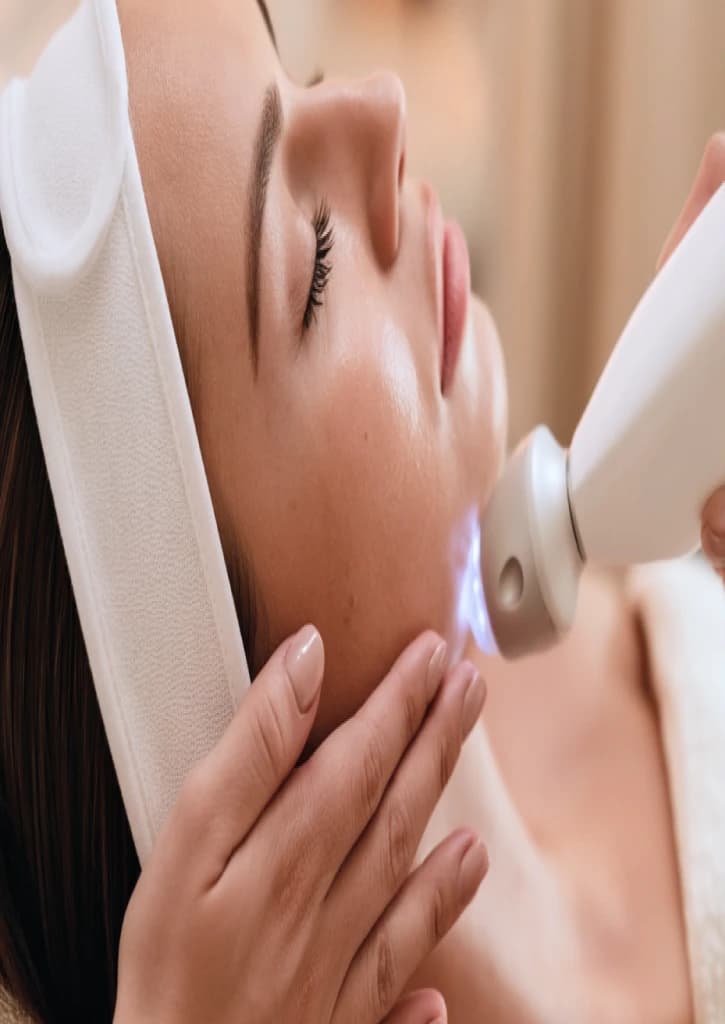
- Energy-based treatments such as RF and ultrasound
- Lasers and other skin treatments
- Injectables and skin boosters
- Combination treatment approaches
- Clinics experienced in seeing international patients
The real question isn’t just “Why Korea?” — it’s “How do I choose the right kind of care once I’m there?”
Korea’s aesthetic care, by the numbers
- 1.17M
- international patients treated in Korea in 2024
- 56.6%
- of specialty visits were for dermatology
- 85.4%
- of international patients received care in Seoul
- 100K+
- patients came from the United States
Based on 2024 international patient data. Source: Ministry of Health and Welfare (Korea) and Korea Health Industry Development Institute (KHIDI), 2024 Foreign Patient Statistics, 2025.

Why do prices vary so much between clinics?
The same treatment name does not always mean the same treatment plan. Prices may differ based on:
- Treatment area
- Number of shots, lines, units, syringes, or passes
- Device or product used
- Physician experience and specialization
- Time spent assessing you
- Standardized vs. customized plan
- Follow-up care and international patient support
- The clinic’s overall operating model
A lower price doesn’t automatically mean lower-quality care. The more useful question: “What exactly am I getting for this price?”
High-volume vs specialist-led clinics
Korea has many types of aesthetic clinics. Neither model automatically determines whether a treatment will be good or bad — but the practical differences matter.
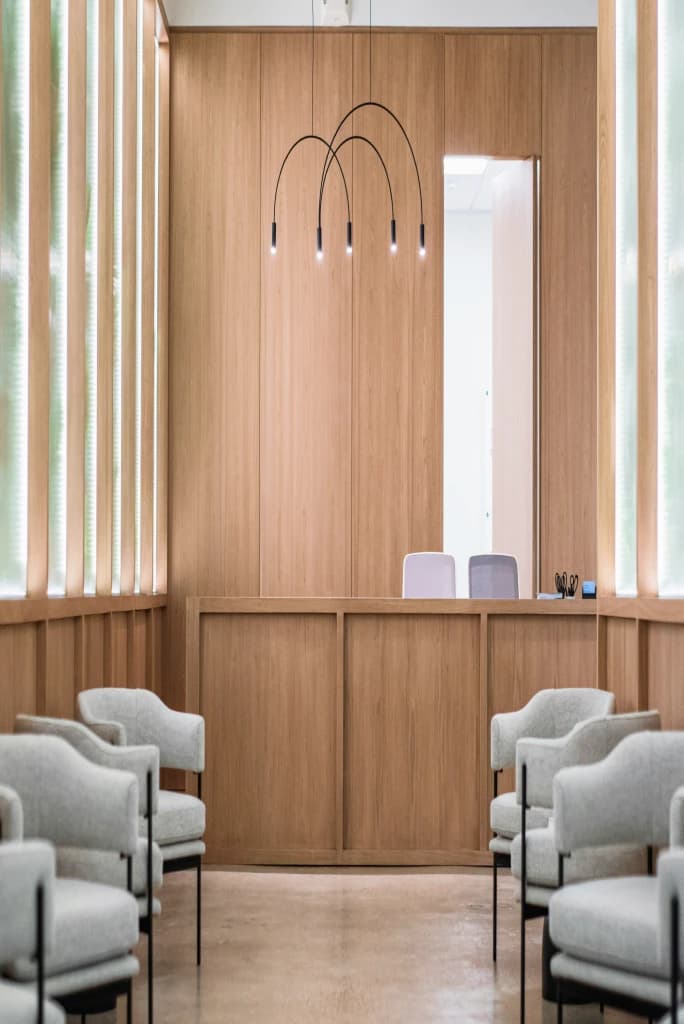
Streamlined & promotion-driven
Streamlined treatment menus and competitive promotional pricing. May meet the needs of an experienced patient who already knows exactly what they want.

Physician-led & individualized
Greater emphasis on physician-led consultation, individualized planning, and continuity of care. Valuable if you’re unsure which treatment fits or are combining procedures.
Pricing
- High-volume model
- Often more promotion-driven
- Specialist-led model
- May be higher
Consultation
- High-volume model
- Often streamlined or standardized
- Specialist-led model
- May involve more detailed physician assessment
Treatment planning
- High-volume model
- Standardized protocols may be used
- Specialist-led model
- More adjustment based on anatomy, skin and goals
Physician involvement
- High-volume model
- Varies by clinic
- Specialist-led model
- Often central to the care model
Aftercare
- High-volume model
- Varies
- Specialist-led model
- Greater continuity of care may be available
The key is knowing which model you are booking before you arrive.
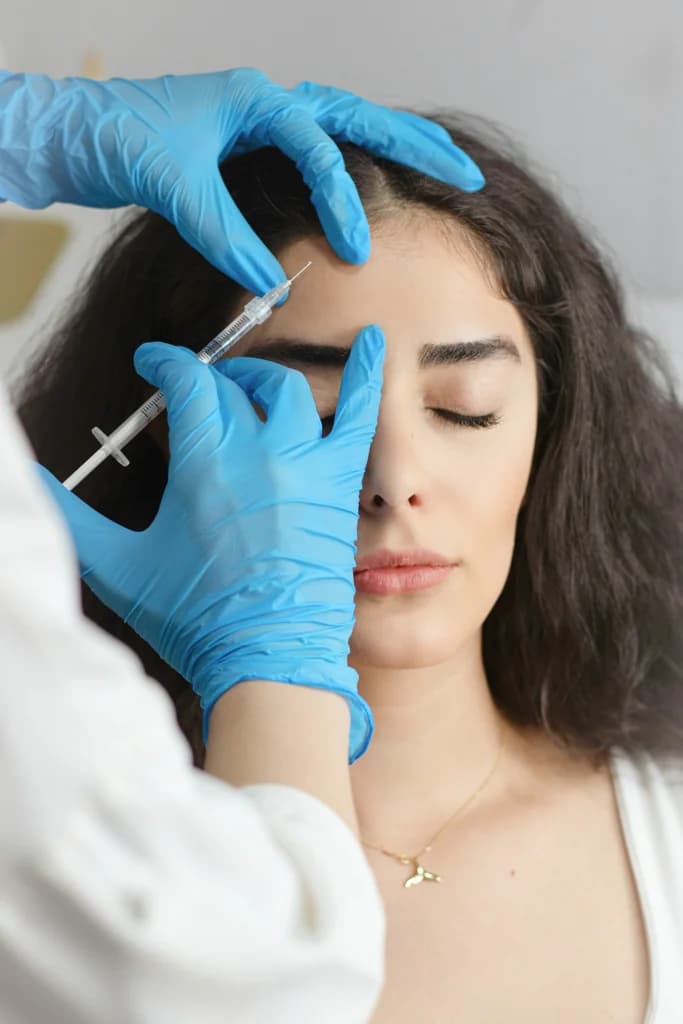
Expertise
Does it matter who performs your treatment?
The device or injectable is only one part of the treatment. Planning may also depend on:
- Facial anatomy and skin thickness
- Skin type
- Distribution of facial fat and volume
- Treatment depth and energy settings
- Shot or injection placement
- Areas that should be treated or avoided
A Korean board-certified dermatologist has completed specialist training in dermatology. It doesn’t guarantee a result, but it’s a useful factor when treatment requires assessing skin, anatomy, and depth.

Skin analysis
Does the clinic offer objective skin analysis?
3D skin analysis can provide measurable baseline data and make it easier to track changes in your skin over time.
If this matters to you, check whether the clinic offers skin analysis — and whether you can review your results during consultation.
How to compare clinics beyond price
Before booking, look at the full treatment experience not just the advertised procedure and price.

01
Who treats you
- Who will assess my skin and goals?
- Who will actually perform the procedure?
- Is the physician a dermatology specialist?
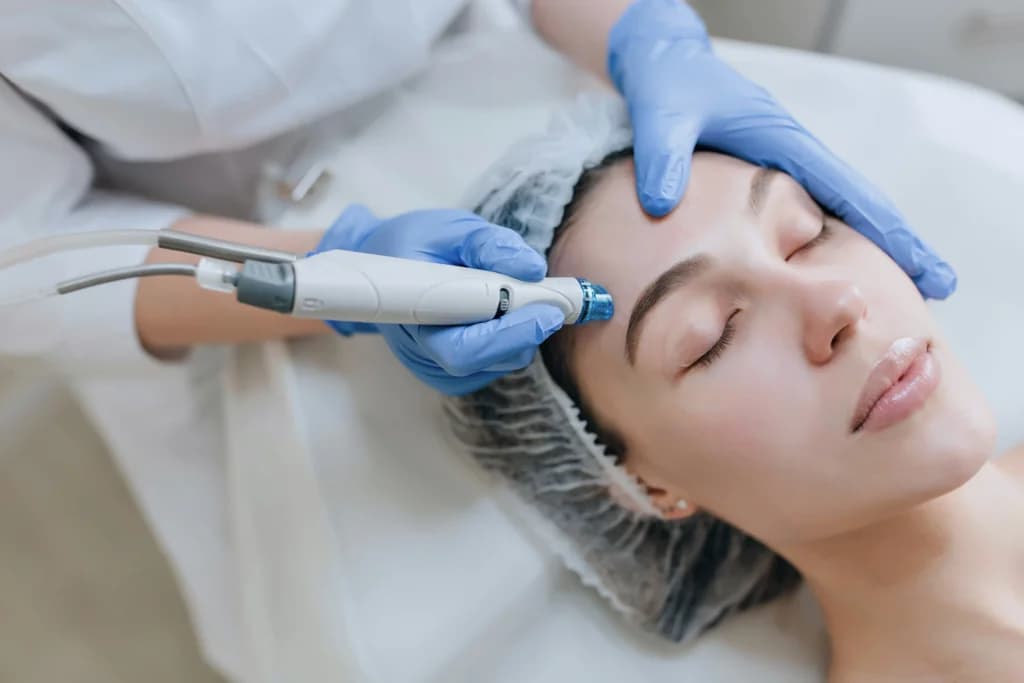
02
Your treatment plan
- Is the plan individualized?
- Will they explain why an area, dose, or shot count is recommended?
- Are genuine devices, tips, or products used?

03
Price & communication
- What exactly is included in the quoted price?
- Is communication available in English?

04
After you leave
- What happens if I have questions after treatment?
- Can I still contact the clinic after leaving Korea?
If a clinic offers diagnostic technology like 3D skin analysis, also ask
“Will this information actually be used by the physician when planning my treatment?”
Find clinics with 3D skin analysis
Not sure how to compare clinics? Lulu@ helps international patients compare clinics based on physician expertise, treatment approach, and patient support — not price alone.


Why aftercare matters more for international patients
Most low-downtime procedures don’t require prolonged recovery, but redness, swelling, bruising, tenderness, peeling, or irritation can vary by treatment and patient. Before booking, consider:
- How much downtime to allow before sightseeing or important plans
- Whether to avoid sun, exercise, alcohol, makeup, or certain skincare
- Whether it’s reasonable to fly shortly after this treatment
- What to do if a reaction lasts longer than expected
- Who to contact after the clinic closes
- Whether you can get follow-up advice after returning home
There’s no universal “safe to fly after treatment” rule — guidance should depend on the specific treatment and your condition.
Is the clinic prepared for international patients?
Korea has a formal registration system for medical institutions that attract international patients. Requirements include specialist staffing for applicable specialties and medical liability coverage — and registered institutions must inform patients about treatment methods, possible side effects, expected costs, and dispute-resolution procedures.
CHECK 01
Foreign-patient registration
Whether the institution is registered to attract international patients under Korea’s medical tourism framework.

CHECK 02
Physician specialist status
The individual doctor’s medical specialty — such as whether the physician is a dermatology specialist. The two answer different questions and aren’t interchangeable labels.
Beyond formal credentials, also look for
- Clear English communication
- Transparent pricing
- Clear consultation & consent
- Reliable contact channel
- Follow-up support
- Clear plan if more care is needed



What should I ask before booking?
You don’t need to become an expert — but a few specific questions can reveal a lot about the type of care you’re choosing.
- Who will perform my consultation and treatment?
- Is the treating physician a dermatology specialist?
- Why is this treatment suggested for my concern?
- How will it be adjusted to my skin or facial anatomy?
- What degree of change is realistic?
- What side effects or downtime should I plan for?
- Are there alternatives worth comparing first?
- What support is available after I leave Korea?

Planning treatment as part of your Korea trip
Different treatments have different levels of redness, swelling, bruising, sun sensitivity, and activity restrictions. Before finalizing your itinerary, check:
- Expected downtime
- Important photos or events afterward
- Outdoor or sun-heavy activities
- Flights and long travel days
- Whether a follow-up visit is recommended
Frequently asked questions
Does a lower price mean lower-quality care?

Not automatically — and a higher price doesn’t guarantee a better result. Compare what’s included: consultation, individualized planning, who performs the treatment, and follow-up care.
Is it safe to fly right after treatment?
There’s no universal “safe to fly after treatment” rule — guidance should depend on the specific treatment and your condition.
Does a board-certified dermatologist guarantee results?
A Korean board-certified dermatologist has completed specialist training in dermatology. It doesn’t guarantee a result, but it’s a useful factor when treatment requires assessing skin, anatomy, and depth.
Is foreign-patient registration the same as specialist status?
Whether the institution is registered to attract international patients under Korea’s medical tourism framework. The individual doctor’s medical specialty — such as whether the physician is a dermatology specialist. The two answer different questions and aren’t interchangeable labels.

Want to discuss your options before deciding?
Request a consultation to discuss your skin concerns, treatment options, and travel plans with a clinic.
Book a ConsultThis content is provided for general educational purposes only and does not constitute medical advice, diagnosis, or a recommendation for a particular treatment or healthcare provider. Treatment suitability and specific treatment planning should be determined by a qualified healthcare professional.