

E-ElasticWrinkle axis
Fine lines and wrinkles are less noticeable.
luluTI
In-clinic Analysis
Categorize by
By Treatment
Explore
AI Skin Analysis
luluTI
In-clinic Analysis
Treatments
By Treatment
Explore
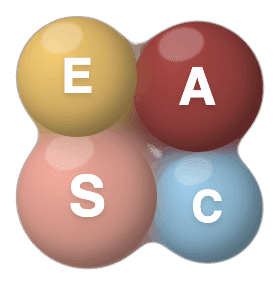
EASC is one of the rarest luluTI™ types — found in just 0.11% of AI skin analyses. Your skin scores above average on 8 of 9 metrics. Acne is the single area to address.
EASC is one of the 16 luluTI™ skin profiles. The four letters of EASC indicate how this type behaves across the four clinical axes: wrinkles/elastic, acne/unflawed, texture/smooth, and pigmentation/clear.
Cumulative aging indicator — collagen & elastin decline over time.
Sebum activity & inflammatory response common in young skin (teens–20s).
Structural indicator — sebum history, past acne, elasticity loss.
UV exposure, inflammation & hormonal changes accumulate over time.
Fine lines and wrinkles are less noticeable.
Acne is more noticeable.
Surface texture looks smooth and even.
Skin tone looks clear and even.
Two subtypes — oily acne (excess sebum) vs dry acne (dehydration → clogged pores). Average age 26.2 years; 96.3% female.
Almost exclusively a teen pattern
Almost exclusively a teen pattern. Puberty triggers acne before any other skin change begins.
Acne resolves -> may become EUSC
As hormones stabilize, this type can transition to the all-clear profile — or gain texture/pigmentation concerns.
Acne without large pores — a rare signal
Only 27 cases in 23,000+. Breakouts driven by hormones, not excess sebum production.
Every other measure is near perfect
Texture, glow, and elasticity all score above 8.5. Acne is the only active concern.
Take our 60-second AI skin analysis to discover your luluTI™ profile and personalised recommendations.