


Chemical Peel in Korea
Acid peels for breakouts, rough texture, and dullness and why the right depth matters for your skin.
Visão geral
- Approach
- Acid exfoliation
- Treatment time
- 20–45 min
- Downtime
- None to a week, by depth
- Typical plan
- Often a series
- Results appear
- Over days to weeks
- Results may last
- Depends on care and SPF
- Depth matched to your concern
- Board-certified specialists
- Korean dermatologists & plastic surgeons
- Mild stinging is common
- Clear treatment plans
- Know what’s included before you book
- Peeling may follow
- English support
- Interpretation arranged when needed
- Strict sun protection needed
Dull, rough, or breakout-prone skin
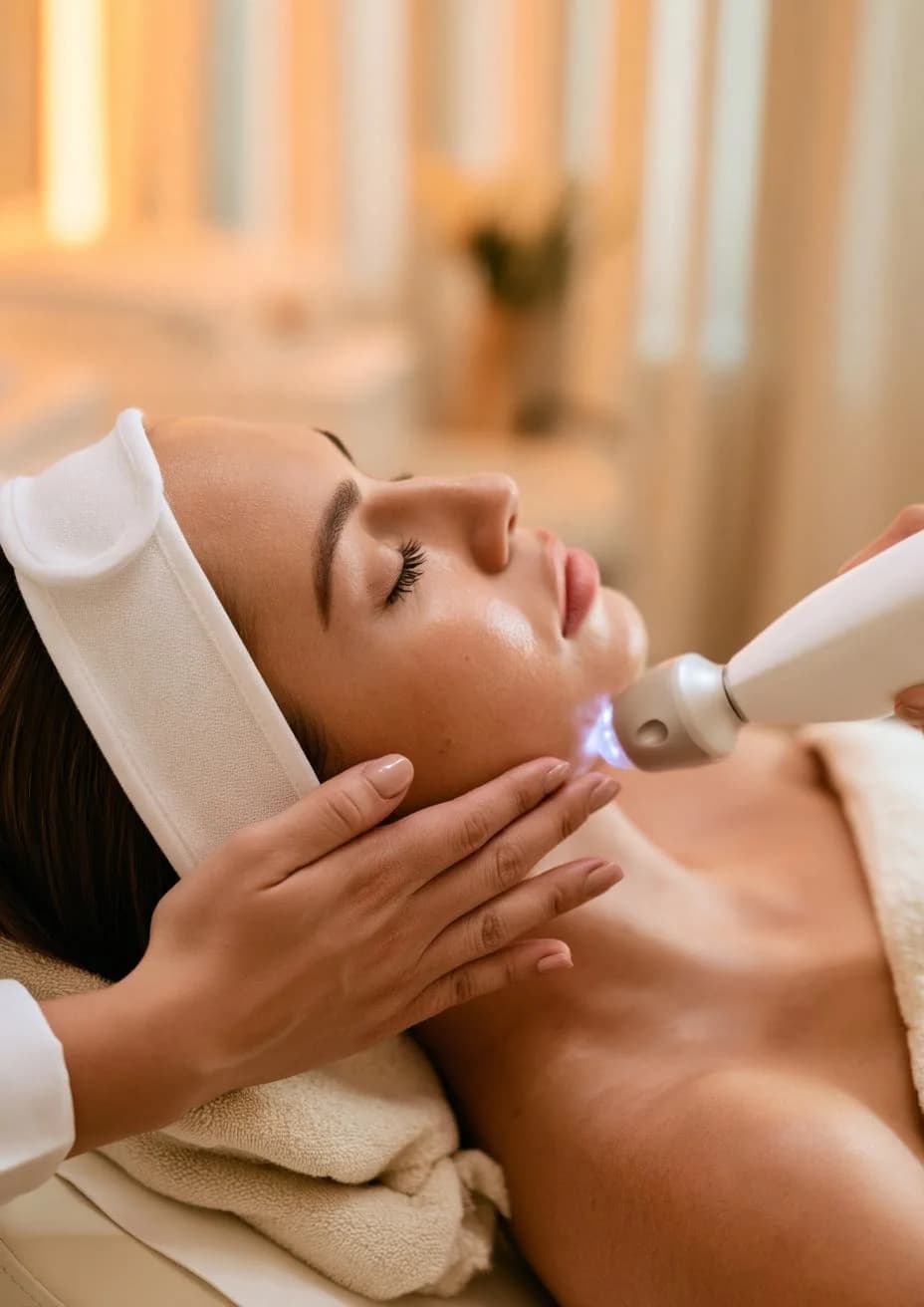
Chemical peels, in four sentences
A chemical peel applies an acid solution to the skin to remove dead and damaged outer layers.
Peels range from superficial (such as glycolic or salicylic acid) to medium depth (such as TCA), and the depth decides both results and recovery.
They are often used for breakouts, clogged pores, rough texture, and dullness, usually over a series of sessions.
Deeper skin tones and melasma need extra care, as peels can sometimes cause dark marks. A dermatologist should choose the peel.
Clogged pores, uneven texture, or skin that has lost its glow can make makeup sit unevenly.
Dead skin cells and excess oil build up on the surface. Daily exfoliants help, but a professional peel works more evenly and at a controlled depth.
Not every concern is a surface concern. Deep scars, wrinkles, and melasma call for different approaches.
Breakouts and clogged pores
Salicylic acid peels work inside pores and are often used for acne-prone skin. Discuss acne peels
Dark spots and uneven tone
Some peels can help fade spots, but melasma may worsen. A careful diagnosis comes first. Ask about pigment care
Deep scars or wrinkles
Lasers or RF microneedling may work better for deeper changes. Consider other options
These changes can overlap. A specialist’s assessment helps match what you see with the right options.
Understand your skin better
Start with a free online AI skin analysis to explore your skin type and put your concerns into words. Bring what you learn to a consultation for a more focused conversation about your goals.
Free AI skin analysisSurface, pigment, and deeper concerns are different. Start with an assessment.
Want smoother, clearer skin?
The aim is clearer, smoother-looking skin — with a peel depth chosen for your skin.
Concerns worth discussing
Clogged pores and breakouts Rough or uneven texture Dull-looking skin Willingness to protect skin from the sun
Tell your clinician about
Your medical history, medications (including isotretinoin and retinoids), and recent treatments Pregnancy, cold sores, recent tanning, or a history of dark marks after skin injury
Why people choose it
Options from gentle to deeper Short treatment time Superficial peels fit a short trip Can be repeated as maintenance
Good to know
Deeper peels mean more downtime Dark marks can occur, especially in deeper skin tones
The right peel depends on your skin type, tone, and goals.
Peel, laser, or microneedling?
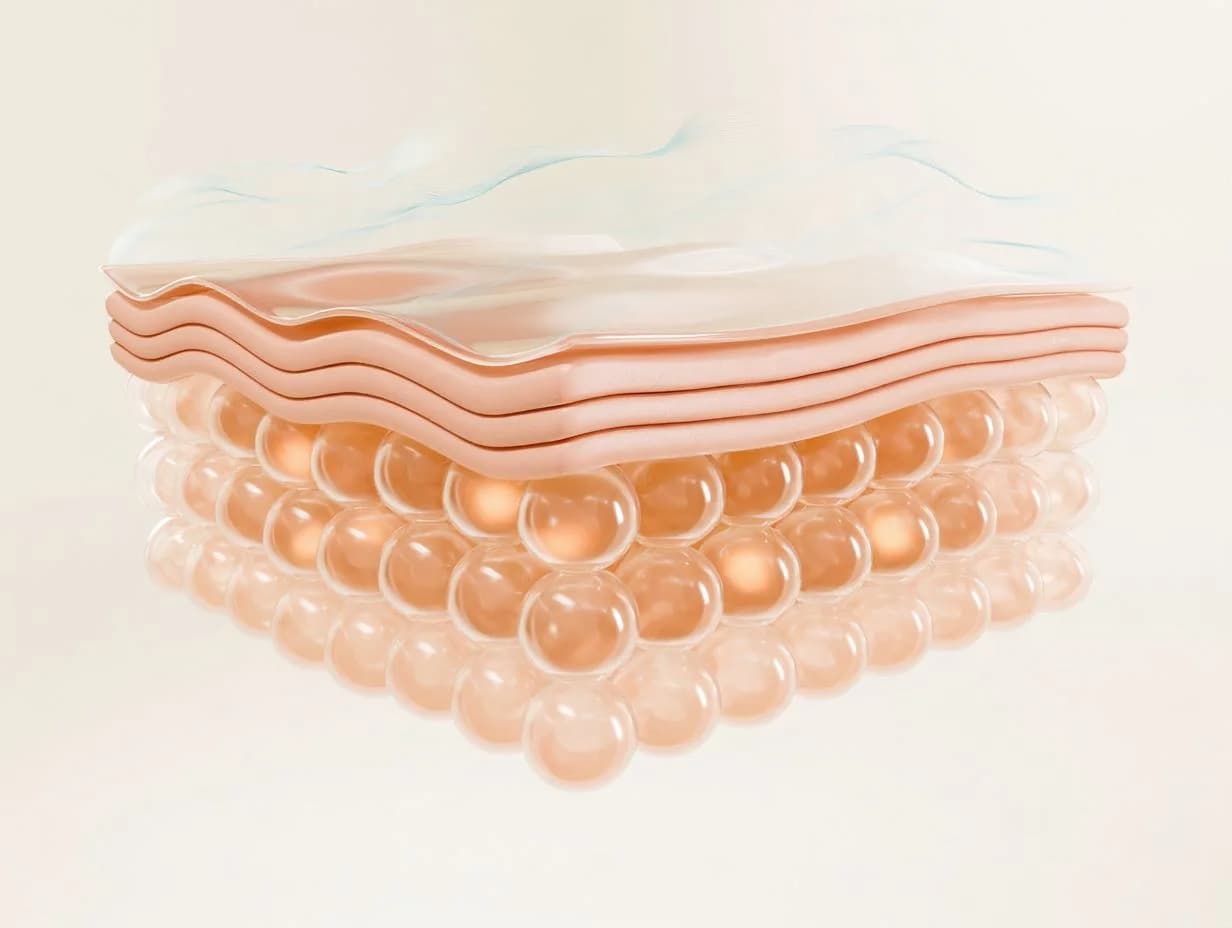
Start with what you want to improve — breakouts, texture, tone, or deeper scars. Peels work on the surface; other options reach deeper.
Where does skincare fit? Skincare supports your skin between sessions, but it does not replace a clinic peel. Daily sunscreen is essential after any peel.
| Option | Often considered for | Approach | Recovery |
|---|---|---|---|
| Chemical peel | Breakouts, texture, dullness | Acid solution removes outer layers | None to a week, by depth |
| Fractional laser | Deeper texture and resurfacing | Laser columns resurface the skin | Several days to a week or more |
| Laser toning | Uneven tone and pigment | Low-energy laser passes | Usually minimal |
| RF microneedling | Acne scars and deeper texture | Needles with radiofrequency, such as Potenza | A few days of redness |
Controlled exfoliation, layer by layer.
A peel solution is applied evenly to clean skin. The acid loosens and removes the outer layers, and its type, strength, and contact time decide how deep it works. It is then neutralized, or stops on its own, before the skin is calmed.
Superficial peels give a gradual refresh over a series. Deeper peels bring more change — and more downtime.
Which acid does what?
Glycolic acid (AHA)
Loosens dead skin on the surface for smoother, brighter-looking skin.
Salicylic acid (BHA)
Oil-soluble, so it works inside pores — often chosen for breakouts.
TCA
A stronger acid used for medium-depth peels, with several days of peeling.
The best treatment is the one that matches your concern.
Fresher skin, one layer at a time.

The aim is clearer, smoother-looking skin. How much changes depends on the peel depth and your skin.
Clearer-looking pores
01 / Pores Pores may look cleaner as buildup is removed.
Smoother texture
02 / Texture Skin may feel smoother after peeling settles.
A more even-looking tone
03 / Tone Mild dullness and some spots may look lighter over a series.
Expect gradual change. Deep scars, wrinkles, and melasma may need other approaches.
Peeling first, fresh skin after.
Right after
Redness, tightness, and mild stinging are common and usually settle within hours.
The first week
Light flaking or peeling may follow, especially after medium-depth peels. Don’t pick or scrub.
Weeks later
Skin often looks fresher. Superficial peels are commonly repeated every few weeks.
See your pores and texture in 3D.
At equipped partner clinics, 3D AI skin analysis records detailed images and measurements. Your specialist combines these with an in-person assessment. This is separate from the free online skin analysis.
Standardized 3D capture
Repeat imaging under similar angles, lighting, and distance for useful comparisons.
AI skin measurements
Detailed images and measurements of your current skin condition.
A baseline for your follow-up
Compare your skin at your next visit under similar imaging conditions.
Start with a free AI skin analysisYour visit & trip

A peel visit, start to finish
Allow time for the full appointment as well as the treatment itself. Share your travel dates and any other procedures you are planning.
Consultation & planning
Before treatment Review your skin, goals, and medical history. At clinics offering 3D analysis, review your baseline together. Agree on the plan and quote before proceeding.
Treatment
20–45 minutes You may feel tingling, stinging, or warmth while the solution is on. Tell your clinician if it feels like burning.
Aftercare & next steps
Same day Get recovery guidance, symptoms to watch for, and any recommended review timing. Keep your treatment records and the clinic’s contact details.
What it feels like
Your clinician checks your skin and cleanses it
The peel solution is applied and closely monitored
Skin is neutralized, calmed, and protected with SPF
Speak up if you experience significant discomfort
Allow time for your full visit
| Stage | Timing | Includes |
|---|---|---|
| Assessment | Before treatment | Goals, anatomy, and medical history |
| Treatment | 20–45 min | Time varies by area and plan |
| Aftercare | Before you leave | Recovery guidance and review timing |
Superficial peels fit a short trip. Medium peels may peel for several days — plan photos and events accordingly.
Peeling happens. Sun protection matters.
Redness, tightness, and flaking are common. Recovery ranges from none for superficial peels to about a week for medium-depth peels.
Irritation, dark marks (post-inflammatory hyperpigmentation), infection, or rarely scarring can occur. The risk of dark marks is higher in deeper skin tones and with melasma. Discuss these risks before treatment.
Leave with clear aftercare guidance
Protect your skin
Use gentle skincare and broad-spectrum SPF 30+ daily, and avoid retinoids and scrubs until your clinic says it’s okay.
Know what to watch for
Ask which symptoms are expected and when to contact the clinic.
Keep a contact plan
Take your treatment records and the clinic’s contact details with you.
What should I share before treatment?
Share your medical history, medications, implants, and previous cosmetic procedures with your clinic. Their medical team will check whether the treatment suits you.
Your plan

Same acid, different judgment.
You can compare peels and still be unsure which fits your skin. That is where a personalized assessment helps: matching your skin type and tone with the right depth.
The same acid does not mean the same treatment. Strength, layers, and timing vary between clinicians, and your skin tone shapes the plan.
Board-certified specialists in Korea
Lulu@ helps you connect with experienced, Korean board-certified dermatologists and plastic surgeons. Discuss what may be contributing to the changes you notice, compare options, and understand the result each approach could offer.
3D AI skin analysis for personalized planning
At equipped partner clinics, a 3D AI skin analysis device records detailed images and measurements of your current skin condition. Your specialist combines this with an in-person assessment and your goals to develop a personalized plan.
Support to understand your options
Explore clinics with English-language support through Lulu@. Interpretation support can also be arranged when needed, helping you explain your concerns and ask questions with greater confidence.
What matters when choosing a clinic?
Look beyond the peel name. Ask who assesses your skin, which acid and depth will be used, and how dark marks are prevented.
Understand the proposed areas, realistic change, comfort measures, risks, full cost, and follow-up before deciding.
What to know before getting aesthetic treatments in KoreaWhat to ask before you book a peel.
A few direct questions during consultation tell you a lot about the kind of care you are choosing.
What to check before choosing a clinic
Which acid and depth will be used, and why?
How will my skin tone be taken into account?
How many sessions are recommended?
Do they tailor the treatment to your face?
Do they explain side effects and recovery up front?
Is follow-up consultation available after treatment?
A consultation should leave you with clear answers.
What is contributing to the change? Which options fit your goals? What improvement is realistic? A personalized plan brings those answers together with the treatment area, approach, risks, and cost.
Book a consultationChoose a clinic on Lulu@, then select Book Consultation on its page.
Still curious about chemical peels?
How many peels will I need?
Superficial peels are often done as a series a few weeks apart. Medium-depth peels are done less often. Your dermatologist will suggest a plan.
Is it safe for darker skin tones?
It can be, with careful acid selection, but deeper skin tones have a higher risk of dark marks. Choose an experienced dermatologist.
How long is recovery?
Superficial peels need little to no downtime. Medium-depth peels may peel for several days to about a week.
Can a peel treat melasma?
Some peels may help, but melasma can also worsen. A dermatologist’s assessment and daily sun protection come first.
Check your skin, then choose your depth.
You do not need to arrive with a treatment decision. Start by understanding your concerns, or talk with a specialist about the changes you would like to see.
Understand your skin better
Use the free online AI skin analysis to explore your skin type and organize what you want to discuss. Free AI skin analysis
Make your next step personal
Discuss your concerns, suitable options, and realistic results with a Korean board-certified specialist. Book a consultation Choose a clinic on Lulu@, then select Book Consultation on its page.
Keep exploring
More guides to help you plan treatment in Korea.
Skin care
Aqua Peel & LDM in Korea Low-downtime cleansing and soothing care.
Spots & tone
Pico Laser & Laser Toning in Korea For sun spots, post-acne marks, and uneven tone.
Patient guide
Getting aesthetic treatments in Korea What international patients should know beyond the price.
Continue explorando
Written by the Lulu@ editorial team Content preview · Medical review pending General education, not an individual diagnosis or treatment recommendation. A qualified clinician should assess suitability.