Dryness & Dehydration
Dry skin (xerosis) and dehydrated skin are distinct but often co-existing conditions. Dry skin lacks oil due to insufficient sebum production, while dehydrated skin lacks water in the stratum corneum. Both compromise the skin barrier, leading to tightness, flakiness, and accelerated aging. Understanding the difference is key to effective treatment.
What You Can Do For Dryness & Dehydration
Start with a gentle skincare routine tailored to your skin type. Use a mild cleanser, appropriate moisturizer, and broad-spectrum sunscreen daily. Avoid harsh products that may irritate your skin. Consider consulting a dermatologist for a personalized treatment plan.
Why Dryness & Dehydration Develops
Skin concerns can develop due to a combination of genetic predisposition, environmental factors, lifestyle habits, and hormonal changes. UV exposure, pollution, stress, and diet all play significant roles in skin health. Understanding the root causes helps in choosing the most effective treatment approach.
How to Recognize It
- Tightness & Discomfort — A persistent tight, pulled sensation, especially after cleansing or in dry environments, indicating that the skin's moisture barrier is compromised and water loss is elevated.
- Flakiness & Peeling — Visible flakes and rough patches occur when the stratum corneum lacks sufficient moisture to maintain smooth desquamation. This is most common on the cheeks, around the nose, and on the forehead.
- Dull, Lackluster Complexion — Dehydrated skin reflects light unevenly, resulting in a sallow, tired-looking complexion that lacks the natural luminosity of well-hydrated skin.
- Fine Lines Exaggerated by Dehydration — Dehydration lines are shallow creases that appear when the skin lacks water. Unlike true wrinkles, they can be reversed rapidly with proper hydration and occlusive treatments.
Types of Dryness & Dehydration
Impaired Skin Barrier
A compromised lipid barrier (reduced ceramides, cholesterol, and fatty acids) allows transepidermal water loss (TEWL) to increase, leaving the skin unable to retain moisture effectively.
Environmental Factors
Low humidity, cold weather, indoor heating, air conditioning, and wind exposure strip moisture from the skin's surface, exacerbating both dryness and dehydration.
Harsh Skincare Habits
Over-cleansing, using high-pH soaps, excessive exfoliation, and alcohol-based products damage the acid mantle and strip natural oils, weakening the skin's moisture retention capacity.
Age-Related Changes
Sebum production declines after age 30, and natural moisturizing factor (NMF) levels decrease. The skin's ability to synthesize ceramides and hyaluronic acid diminishes, leading to progressive dryness.
What Can Make It Worse
- •Excessive sun exposure without protection
- •Using products not suited for your skin type
- •Poor sleep habits and high stress levels
- •Dehydration and unbalanced diet
- •Inconsistent skincare routine
How AI Detects Dryness & Dehydration
Our AI skin analysis evaluates surface texture irregularities, shine distribution, and visible flakiness patterns to distinguish between oil-deficient dry skin and water-deficient dehydrated skin. This differentiation guides personalized moisturization strategies.
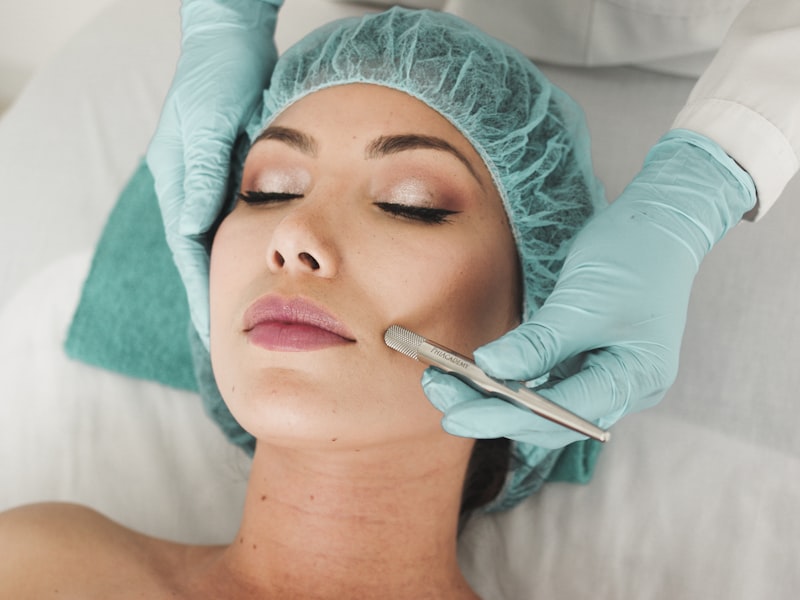
Recommended Skin Treatments
See all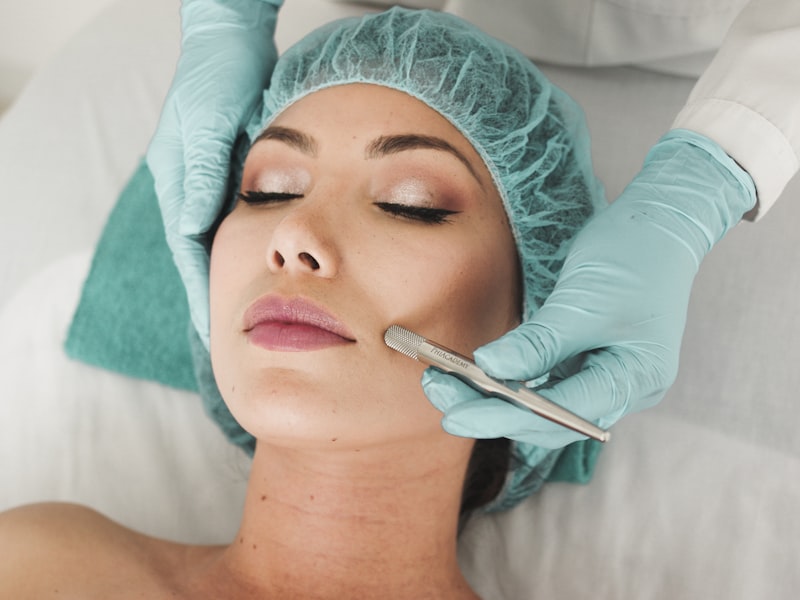


FAQ about Dryness & Dehydration
Dry skin is a skin type characterized by insufficient sebum (oil) production, while dehydration is a temporary condition where the skin lacks water. You can have oily yet dehydrated skin. Dry skin needs lipid-rich products; dehydrated skin needs humectants and occlusives.
Related videos for Dryness & Dehydration
See all
Opening Interview: Myeongdong Clinic
Benjamin Clinic Myeongdong
A Dermatologist Tries Onda Lifting
MIND SKIN CLINIC

Pitted Scar Treatment by Type
Benjamin Clinic

Personalized Skin Treatments: Why Results Differ
Seoul SY Dermatology
Picotoning · LED Treatment Review (Benjamin Clinic)
Benjamin Clinic

Myeongdong Clinic Interior Tour
Benjamin Clinic Myeongdong
Night Care Routine of an 11-Year Dermatologist
MIND SKIN CLINIC

For Those Worried About Scar Treatment Results
Benjamin Clinic

How to Look Beautiful Before March
Seoul SY Dermatology

Why We Opened the Myeongdong Branch
Benjamin Clinic Myeongdong
Not sure about your skin?
Get a free AI skin analysis and discover personalized recommendations for your dryness & dehydration.
Start Free AI Skin Analysis