Pigmentation
Pigmentation causes uneven dark patches or spots when your skin produces too much melanin. Sun exposure, hormones, and inflammation are the most common triggers. Where the pigment sits in your skin determines which treatment will be most effective.
What You Can Do For Pigmentation
Start with a gentle skincare routine tailored to your skin type. Use a mild cleanser, appropriate moisturizer, and broad-spectrum sunscreen daily. Avoid harsh products that may irritate your skin. Consider consulting a dermatologist for a personalized treatment plan.
Why Pigmentation Develops
Skin concerns can develop due to a combination of genetic predisposition, environmental factors, lifestyle habits, and hormonal changes. UV exposure, pollution, stress, and diet all play significant roles in skin health. Understanding the root causes helps in choosing the most effective treatment approach.
How to Recognize It
- Dark patches on cheeks, forehead, upper lip, or jawline
- Brown or gray-brown spots on sun-exposed areas
- Uneven skin tone with visible contrast between areas
- Dark marks that linger months after a breakout heals
- Symmetrical discoloration on both sides of the face
- Spots that darken during summer or after sun exposure
Types of Pigmentation
Melasma
Symmetrical brown patches linked to hormonal changes.
Sunspots (Solar Lentigines)
Flat dark spots from years of UV exposure.
Post-Inflammatory Hyperpigmentation
Dark marks left after acne, eczema, or injury.
Freckles (Ephelides)
Small spots that darken in the sun.
Age Spots (Liver Spots)
Larger dark patches on hands, face, and shoulders.
What Can Make It Worse
- •Excessive sun exposure without protection
- •Using products not suited for your skin type
- •Poor sleep habits and high stress levels
- •Dehydration and unbalanced diet
- •Inconsistent skincare routine
How AI Detects Pigmentation
Our AI skin analysis, powered by luluTI, uses the P-axis (Pigmentation) to map melanin distribution, pigment depth, and UV damage across your face. This tells your dermatologist whether topical or laser treatment is the better fit.
Melanin Distribution Analysis
Reveals uneven melanin deposits invisible to the naked eye.
Pigment Depth Assessment
Determines if pigment is surface-level or deep, guiding treatment choice.
UV Damage Detection
Maps hidden sun damage before it becomes visible spots.
Skincare Routine
Gentle Cleanser
Key: Low-pH, non-stripping formula
Cleanses without disrupting the skin barrier.
Vitamin C Serum
Key: L-ascorbic acid (15-20%)
Inhibits new melanin and brightens existing spots.
Niacinamide
Key: Niacinamide (5%)
Reduces melanin transfer and evens skin tone.
Sunscreen
Key: SPF 50+, broad spectrum (PA++++)
Essential. Blocks UV that triggers and darkens pigmentation.
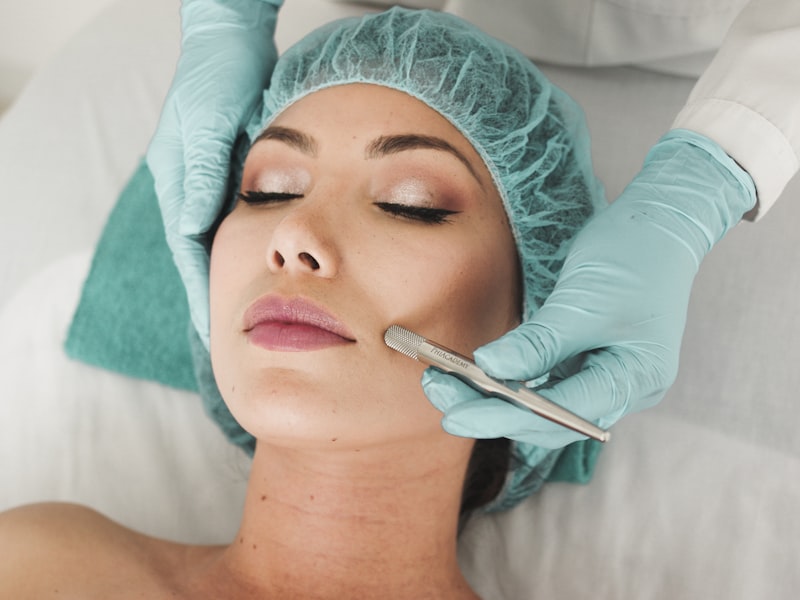
Recommended Skin Treatments
See all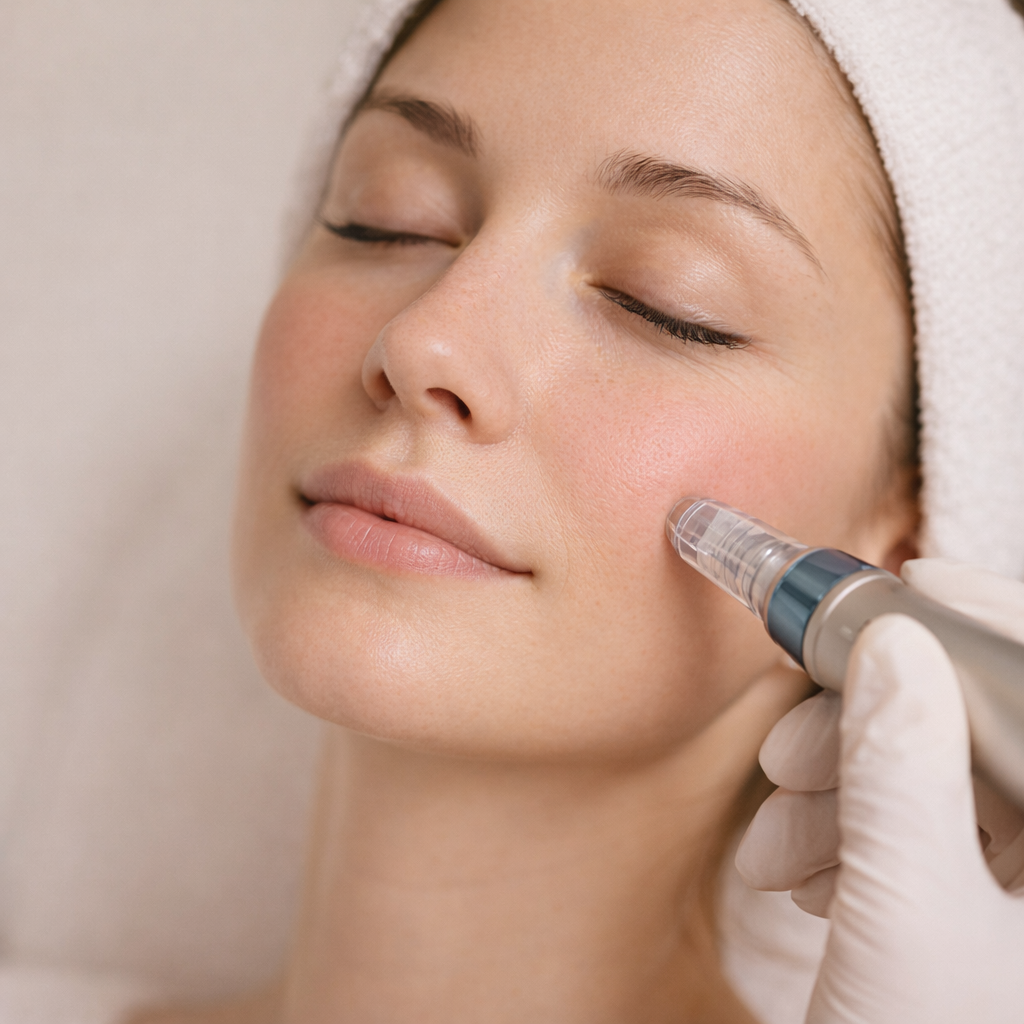


FAQ about Pigmentation
Sunspots and post-inflammatory marks can often be fully cleared. Melasma tends to recur and needs ongoing maintenance with sun protection.
Related videos for Pigmentation
See all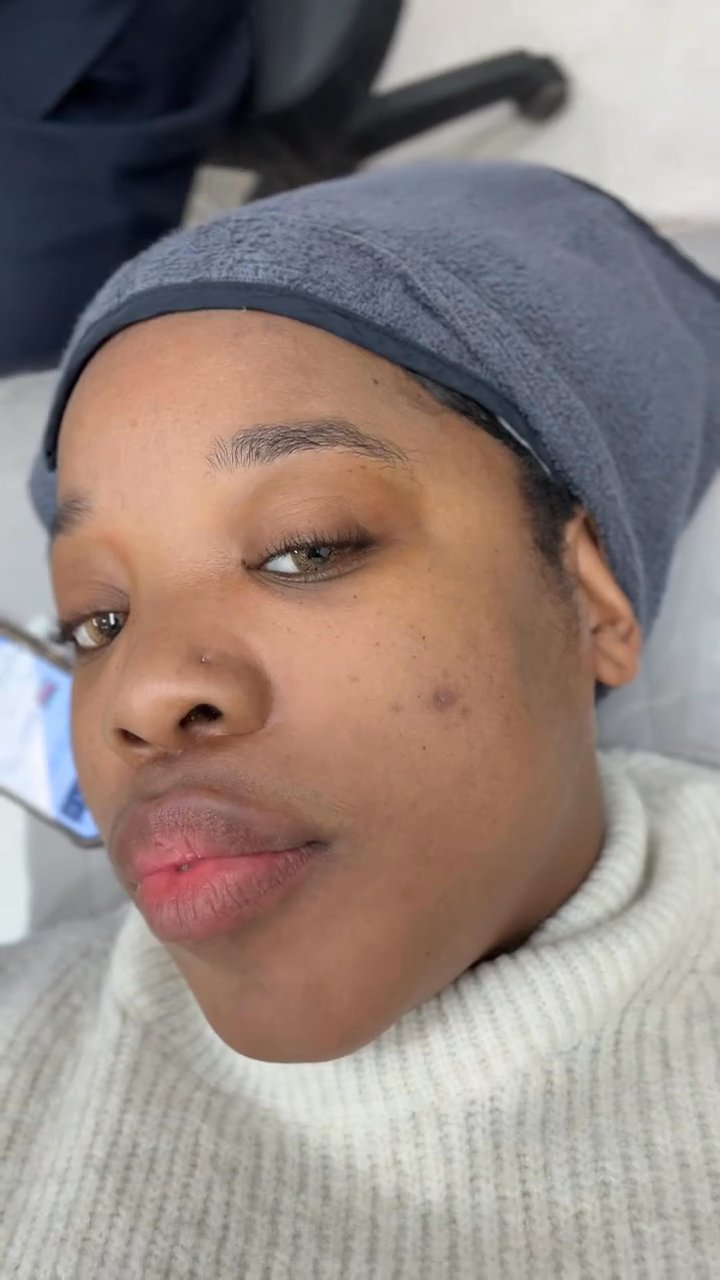
Picotoning · LED Treatment Review (Benjamin Clinic)
Benjamin Clinic
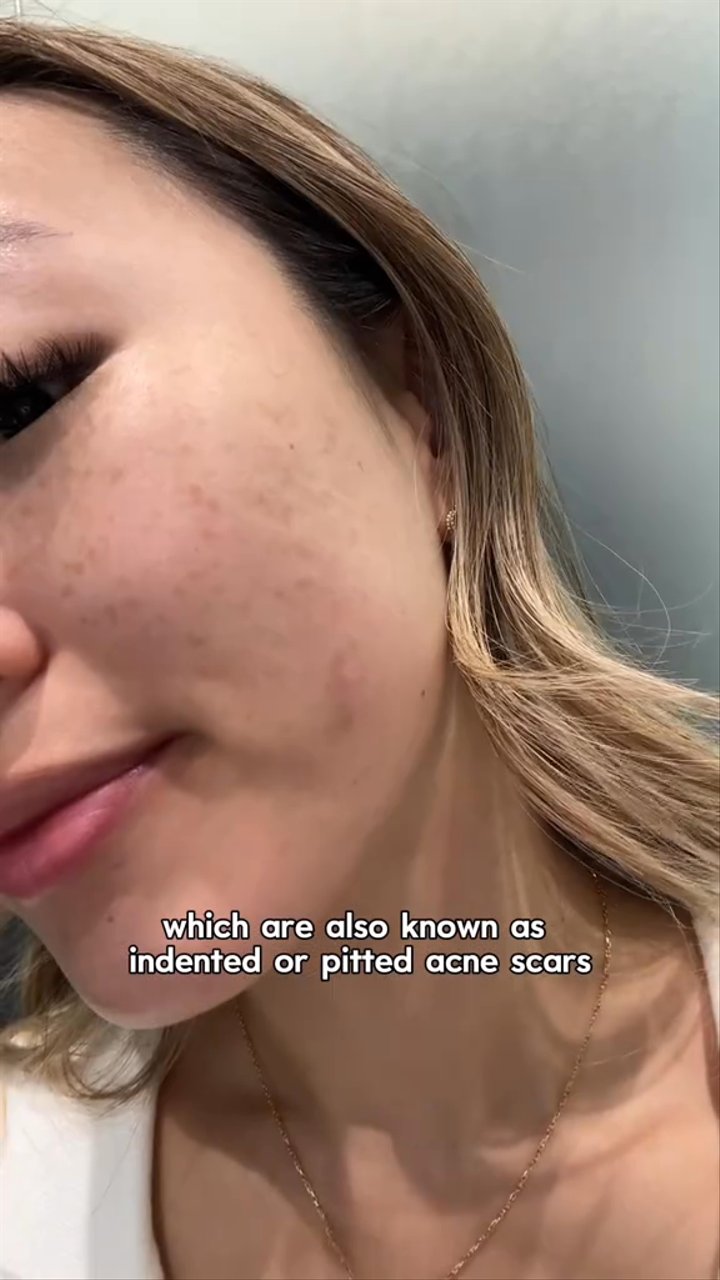
Stella M22 Laser · Scar Filler (Benjamin Clinic)
Benjamin Clinic
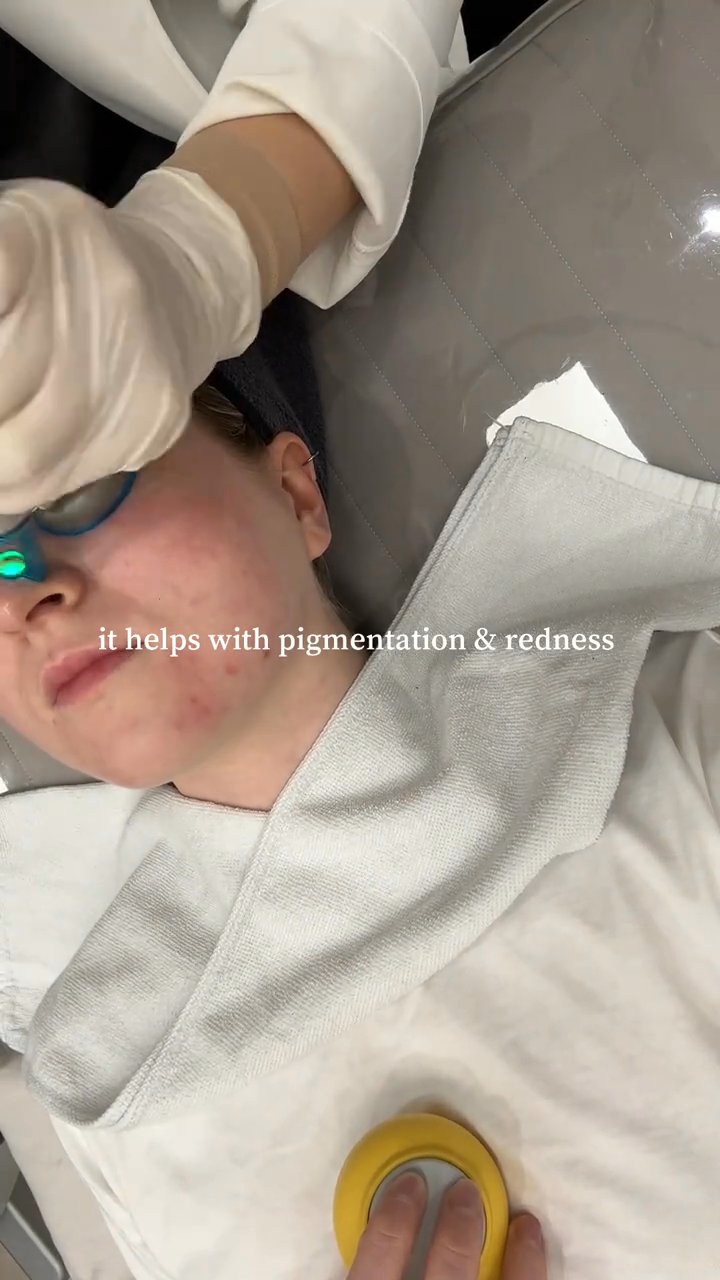
V-beam, IPL, Juvelook, Modelling mask (Benjamin Clinic)
Benjamin Clinic
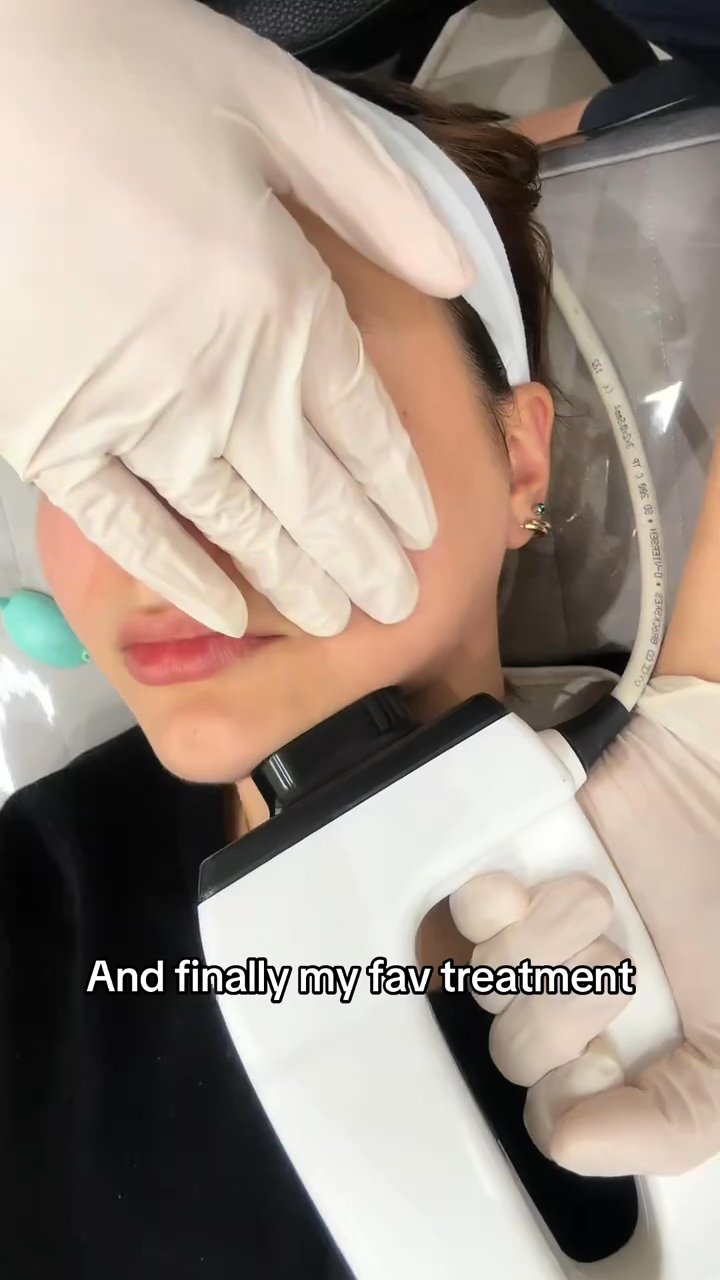
Aqua Peeling, Laser, In-Mode FX, Calming Pack (Benjamin Clinic)
Benjamin Clinic

Wrinkle Botox, Skin Botox (Benjamin Clinic)
Benjamin Clinic

PEPIN (pulsed dye), Stellar M22 IPL (Benjamin Clinic)
Benjamin Clinic
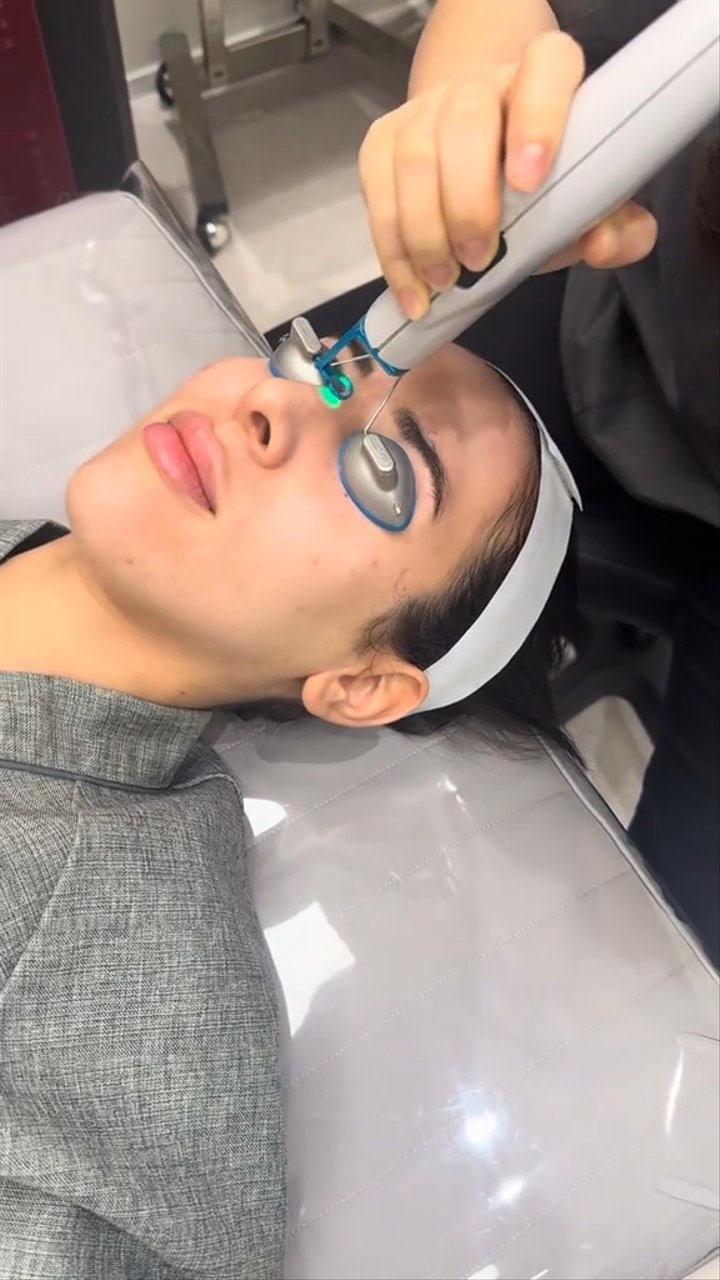
V-Beam, Titanium, Double Tight, Rejuran, Juvelook, Exosome, Acne Injections, LED (Benjamin Clinic)
Benjamin Clinic
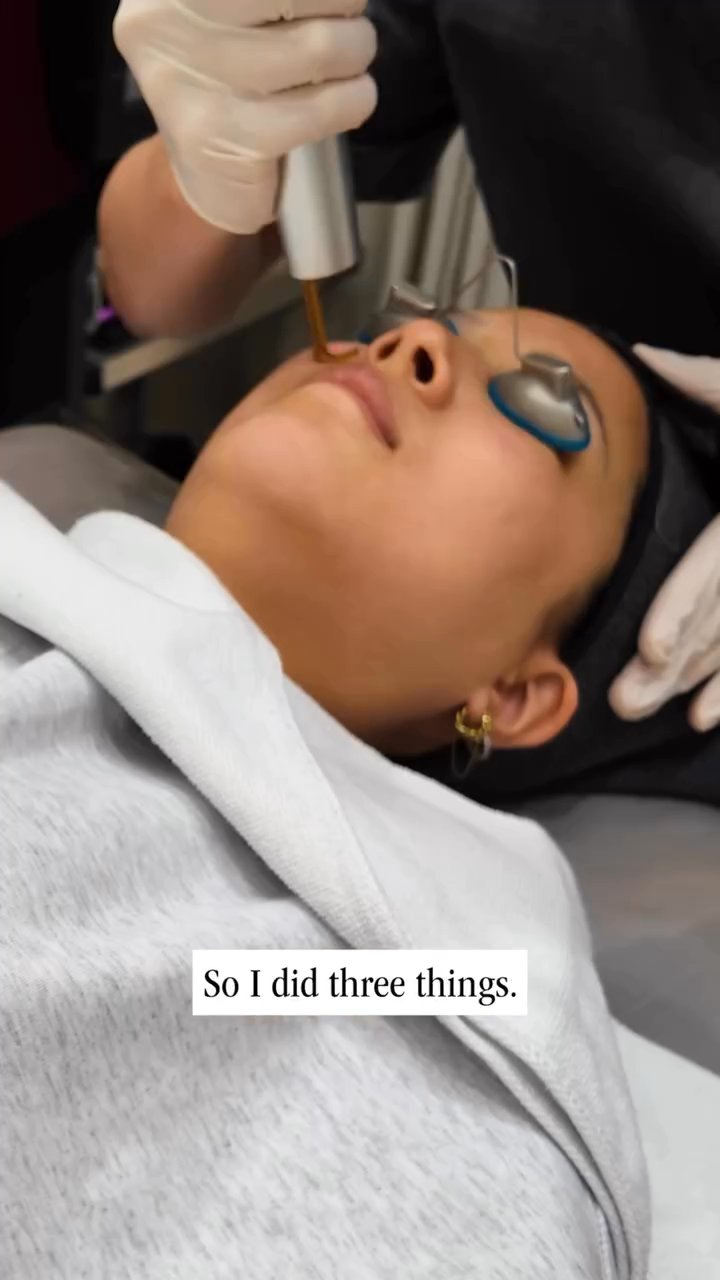
Laser, HIFU, Rejuran, Sheet mask (Benjamin Clinic)
Benjamin Clinic
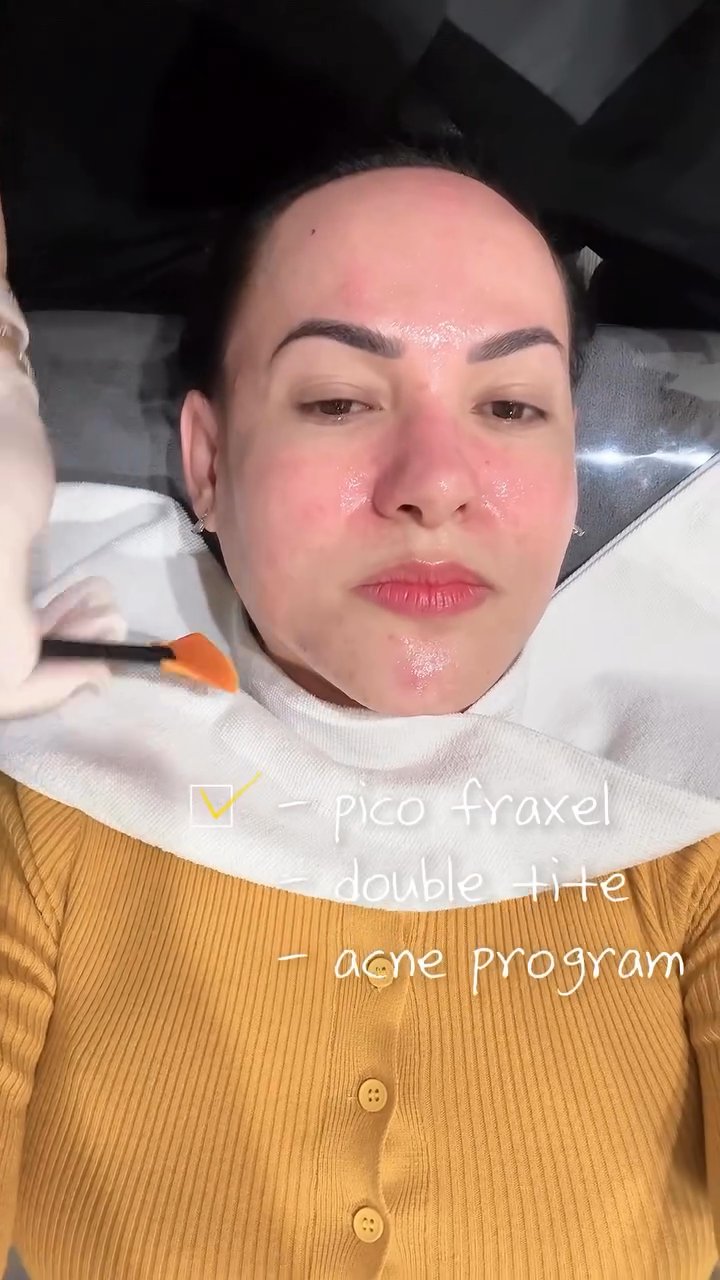
Pico Fraxel, Double Tite, Acne Program (Benjamin Clinic)
Benjamin Clinic

Pico Toning, Vitamin Brightening Care (Benjamin Clinic)
Benjamin Clinic
Not sure about your skin?
Get a free AI skin analysis and discover personalized recommendations for your pigmentation.
Start Free AI Skin Analysis