


概覽
- Approach
- Picosecond & low-energy lasers
- Treatment time
- 10–30 min
- Downtime
- Minimal to about a week
- Typical plan
- Often a series of sessions
- Results appear
- Over a few weeks
- Results may last
- Depends on sun protection
- Pico lasers deliver ultra-short pulses that break up unwanted pigment; laser toning uses gentle, low-energy passes over a series of sessions.
- They are often used for sun spots, post-acne marks, and uneven skin tone.
- Spots may fade over a few weeks, while toning results build gradually across sessions.
- Melasma behaves differently — it can return or even darken after laser. A dermatologist should diagnose your pigment first.
Spots that keep coming back
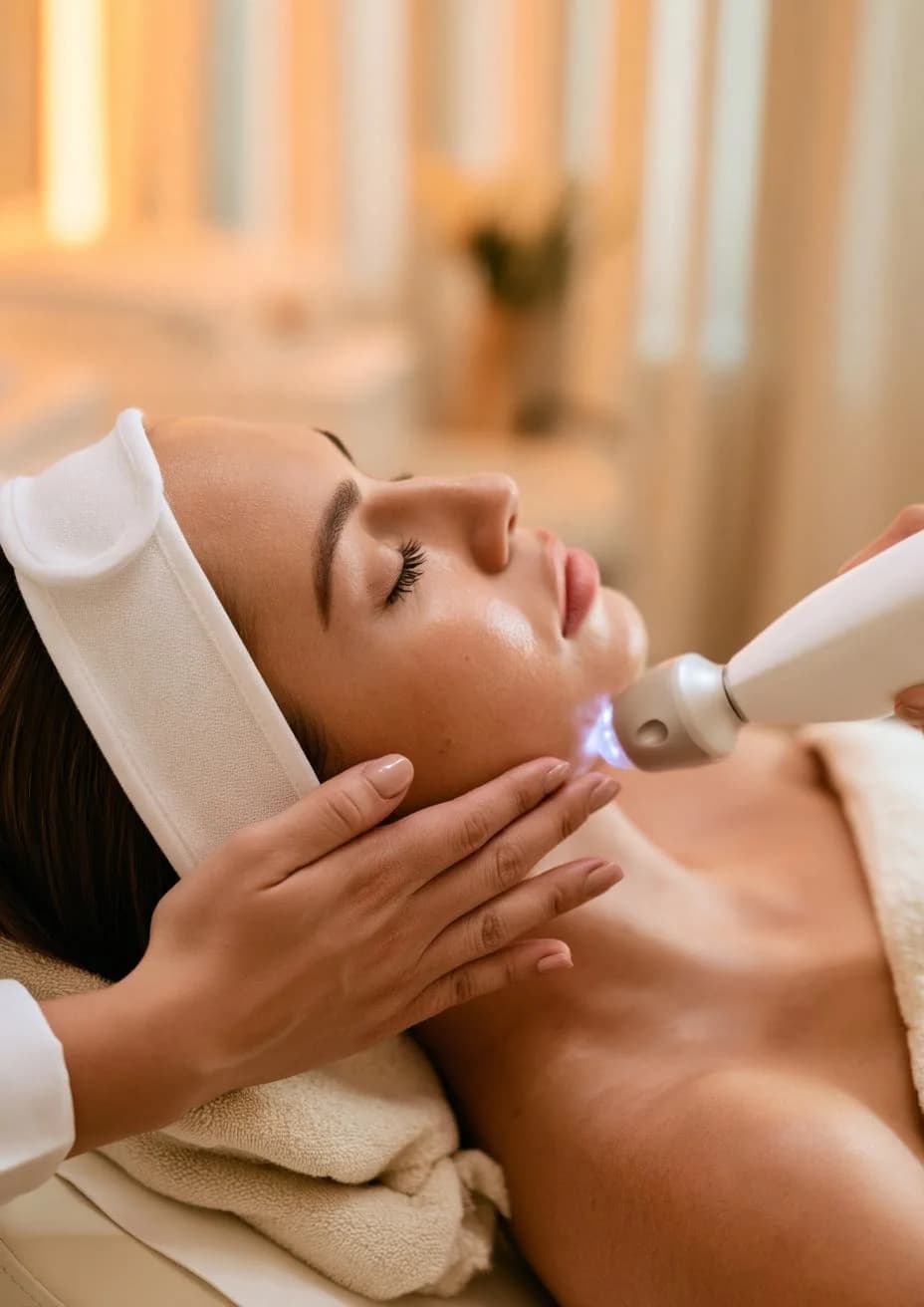
- Ultra-short laser pulses
- Numbing cream may be offered
- Not every pigment needs a laser
- Daily SPF protects your results
Board-certified specialists
Korean dermatologists & plastic surgeons
Clear treatment plans
Know what’s included before you book
English support
Interpretation arranged when needed
Sun spots, brown marks left after breakouts, or patchy tone can make skin look tired, even with makeup.
Sun exposure, hormones, and inflammation from acne can all increase pigment. Brightening skincare and sunscreen help, but some spots sit deeper than products can reach.
Not all pigment is the same. Sun spots, melasma, and post-acne marks can look alike but call for different approaches — and lasers are not right for all of them.
Sun spots or post-acne marks
Defined brown spots from the sun or past breakouts may respond well to pico laser. Ask your dermatologist to confirm the type. Discuss pico laser.
Patchy, symmetric shading
This may be melasma. It often returns and can worsen with heat or laser, so care usually starts with sun protection and topical treatment. Ask about melasma care.
Overall dull or uneven tone
A gentle series of laser toning sessions may help skin tone look more even over time. Discuss laser toning.
These changes can overlap. A specialist’s assessment helps match what you see with the right options.
Understand your skin better
Start with a free online AI skin analysis to explore your skin type and put your concerns into words. Bring what you learn to a consultation for a more focused conversation about your goals.
Free AI skin analysisSun spots, melasma, and post-acne marks are different concerns. Start with a diagnosis.
Is it pigment you want to clear?
The aim is clearer, more even-looking skin — with a plan built around your pigment type.
Concerns worth discussing
- Sun spots and freckle-like spots
- Brown marks left after acne
- Uneven or dull-looking skin tone
- Melasma — only after a dermatologist’s diagnosis
Tell your clinician about
- Your medical history, medications, and previous procedures
- Recent tanning, pregnancy, or a history of dark marks after skin injury
Why people choose it
- Targets pigment without surgery
- Short treatment time
- Toning fits around daily life
- Downtime varies; treated spots may form small crusts
Good to know
- Melasma can return — SPF and maintenance matter
- Laser can cause new dark or light patches in some skin
The right plan depends on your pigment type, skin tone, and goals.
Spot, tone, or melasma care?
Start with what you want to improve — individual spots, overall tone, or melasma. Each option plays a different role.
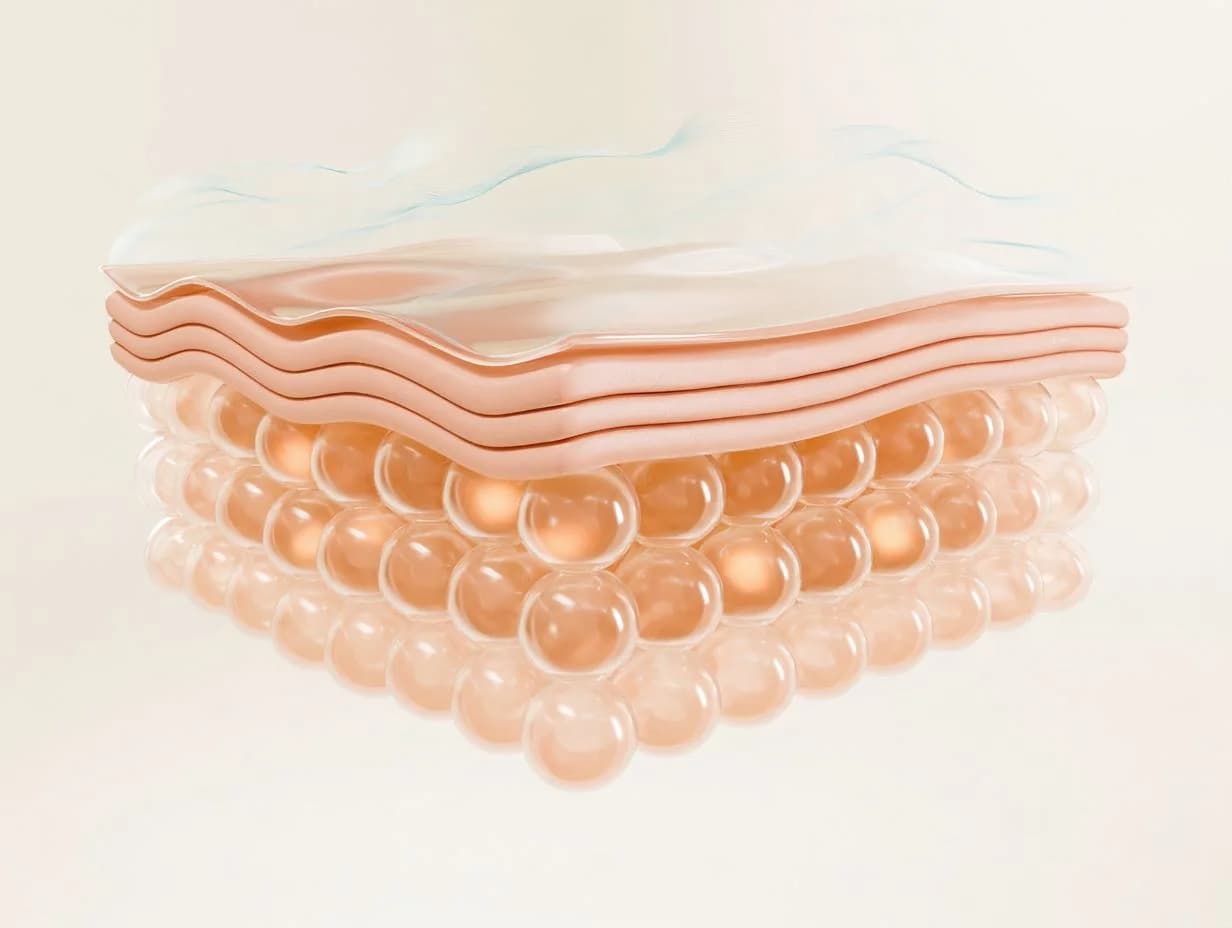
Where does skincare fit? Daily broad-spectrum SPF 30+ and brightening skincare are the foundation, especially for melasma. Lasers can support results, but they do not replace sun protection.
| Option | Often considered for | Approach | Recovery |
|---|---|---|---|
| Pico laser | Distinct spots: sun spots, freckles, post-acne marks | Ultra-short picosecond pulses break up pigment | Small dark crusts may last about a week |
| Laser toning | Dull or uneven tone; selected melasma plans | Low-energy passes over a series of sessions | Usually minimal; mild redness |
| Topicals & peels | Melasma and mild pigment | Brightening creams or peels from a dermatologist | Mild peeling or irritation possible |
| IPL | Sun spots and redness | Broad-spectrum light pulses | Spots may darken briefly before fading |
Breaking up pigment, one pulse at a time.
Pico lasers fire extremely short pulses — trillionths of a second — that shatter pigment into tiny particles your body clears over time. Laser toning uses gentle, low-energy passes to even out tone across a series of sessions.
Lasers do not cure melasma, and they cannot stop new spots from forming. Daily sun protection keeps results looking their best.
Pico laser vs. laser toning: what’s the difference?
Pico laser
Targets distinct spots with ultra-short pulses. Fewer sessions; small crusts flake off.
Laser toning
Gentle, low-energy passes for overall tone. A series of sessions with little downtime.
Diagnosis first
Your pigment type decides the tool. Melasma needs a cautious plan — sometimes no laser at all.
The best treatment is the one that matches your concern.
Clearer, more even-looking skin.
The aim is clearer, more even-looking skin. How much changes depends on your pigment type, skin tone, and response.

Lighter-looking sun spots
Defined sun spots and freckles may fade after one or more sessions.
Fading post-acne marks
Brown marks left after breakouts may look lighter over a few sessions.
A more even-looking tone
With a series of toning sessions, skin may look brighter and more uniform.
Expect gradual change. Melasma can return, and new spots can form with sun exposure.
Spots fade first. Tone evens over time.
Right after
Redness is common. Treated spots may darken and form small crusts that flake off within about a week. Don’t pick them.
Over a few weeks
Spots often look lighter once crusts fall away. Toning results build session by session.
Long term
Results can last with daily sun protection. Melasma and new sun spots may need maintenance.
See your pigment in 3D.
At equipped partner clinics, 3D AI skin analysis records detailed images and measurements. Your specialist combines these with an in-person assessment. This is separate from the free online skin analysis.
Standardized 3D capture
Repeat imaging under similar angles, lighting, and distance for useful comparisons.
AI skin measurements
Detailed images and measurements of your current skin condition.
A baseline for your follow-up
Compare your skin at your next visit under similar imaging conditions.
A laser visit, start to finish
Allow time for the full appointment as well as the treatment itself. Share your travel dates and any other procedures you are planning.

Before treatment · Consultation & planning
Review your skin, goals, and medical history. At clinics offering 3D analysis, review your baseline together. Agree on the plan and quote before proceeding.
10–30 minutes · Treatment
You may feel quick snaps, like a rubber band, and warmth. Numbing cream may be offered for spot treatments.
Same day · Aftercare & next steps
Get recovery guidance, symptoms to watch for, and any recommended review timing. Keep your treatment records and the clinic’s contact details.
What it feels like
- Your clinician confirms which spots and areas to treat
- Protective eyewear is worn during treatment
- Pulses may feel like quick snaps or warmth
- Speak up if you experience significant discomfort
Allow time for your full visit
Assessment · Before treatment
Goals, anatomy, and medical history
Treatment · 10–30 min
Time varies by area and plan
Aftercare · Before you leave
Recovery guidance and review timing
Share your travel dates. Crusts on treated spots can last about a week — plan photos and events accordingly.
Little downtime, real respect for pigment.
Redness and mild swelling usually settle within hours to a day. Treated spots may form small crusts that flake off within about a week.
Lasers can sometimes cause new dark patches (post-inflammatory hyperpigmentation) or light patches, especially in deeper skin tones or with melasma. Discuss these risks and your skin history before treatment.
Leave with clear aftercare guidance
Protect your skin
Use broad-spectrum SPF 30+ daily, and avoid tanning before and after treatment.
Know what to watch for
Ask which symptoms are expected and when to contact the clinic.
Keep a contact plan
Take your treatment records and the clinic’s contact details with you.
What should I share before treatment?
Share your medical history, medications, implants, and previous cosmetic procedures with your clinic. Their medical team will check whether the treatment suits you.
Same laser, different settings.

You can compare lasers and still be unsure which one fits your spots. That is where a personalized assessment helps: identifying your pigment type before choosing a treatment.
The same laser does not mean the same treatment. Settings, technique, and the number of sessions vary, and your skin tone and pigment type shape the plan.
Board-certified specialists in Korea
Lulu@ helps you connect with experienced, Korean board-certified dermatologists and plastic surgeons. Discuss what may be contributing to the changes you notice, compare options, and understand the result each approach could offer.
3D AI skin analysis for personalized planning
At equipped partner clinics, a 3D AI skin analysis device records detailed images and measurements of your current skin condition. Your specialist combines this with an in-person assessment and your goals to develop a personalized plan.
Support to understand your options
Explore clinics with English-language support through Lulu@. Interpretation support can also be arranged when needed, helping you explain your concerns and ask questions with greater confidence.
What matters when choosing a clinic?
Look beyond the laser name or the number of sessions. Ask who diagnoses your pigment, who performs the treatment, and how the plan accounts for melasma risk.
Understand the proposed areas, realistic change, comfort measures, risks, full cost, and follow-up before deciding.
What to know before getting aesthetic treatments in KoreaWhat to ask before any pigment laser.
A few direct questions during consultation tell you a lot about the kind of care you are choosing.
What to check before choosing a clinic
- Who diagnoses your pigment type before treatment?
- Which laser will be used, and why?
- How many sessions and which areas are included?
- Do they tailor the treatment to your face?
- Do they explain side effects and recovery up front?
- Is follow-up consultation available after treatment?
A consultation should leave you with clear answers.
What is contributing to the change? Which options fit your goals? What improvement is realistic? A personalized plan brings those answers together with the treatment area, approach, risks, and cost.
Book a consultationChoose a clinic on Lulu@, then select Book Consultation on its page.
Still curious about pico and toning?
Can laser remove melasma for good?
No. Melasma is a chronic condition that can be controlled but often returns. Lasers can sometimes make it worse, so many dermatologists start with sun protection and topical treatment.
Does pico laser hurt?
Most people feel quick snaps or warmth. Numbing cream may be offered. Tell your clinician if discomfort is significant.
How many sessions will I need?
Distinct spots may need one to a few pico sessions. Laser toning is usually a series. Your clinician will suggest a plan for your skin.
Is it safe for darker skin tones?
It can be, with careful settings, but darker skin has a higher risk of temporary dark or light patches. Choose an experienced dermatologist and ask whether a test spot makes sense.
Know your pigment type first.
You do not need to arrive with a treatment decision. Start by understanding your concerns, or talk with a specialist about the changes you would like to see.
Understand your skin better
Use the free online AI skin analysis to explore your skin type and organize what you want to discuss.
Make your next step personal
Discuss your concerns, suitable options, and realistic results with a Korean board-certified specialist.
Choose a clinic on Lulu@, then select Book Consultation on its page.
Keep exploring
More guides to help you plan treatment in Korea.
Rejuran in Korea
A PN skin booster for texture, fine lines, and glow.
Rejuran in KoreaRF microneedling in Korea
When texture and acne scars are part of the concern.
RF microneedling in KoreaGetting aesthetic treatments in Korea
What international patients should know beyond the price.
Getting aesthetic treatments in Korea Reference: American Academy of Dermatology — Melasma: Diagnosis and treatment繼續探索
Written by the Lulu@ editorial team. Content preview · Medical review pending. General education, not an individual diagnosis or treatment recommendation. A qualified clinician should assess suitability. Reference: American Academy of Dermatology — Melasma: Diagnosis and treatment.