


概览
- Approach
- Focused ultrasound
- Treatment time
- 30–90 min
- Downtime
- Minimal
- Typical plan
- Often one session
- Results appear
- Around 2–3 months
- Results may last
- A year or more
- Ultherapy uses microfocused ultrasound with real-time imaging — no needles or incisions.
- It may suit mild to moderate laxity of the brow, under-chin area, and neck.
- A gradual lift often develops over 2–3 months; further change may continue up to 6 months.
- It cannot replace lost volume or a surgical lift. A clinician should assess your goals.
Has your jawline started to soften?
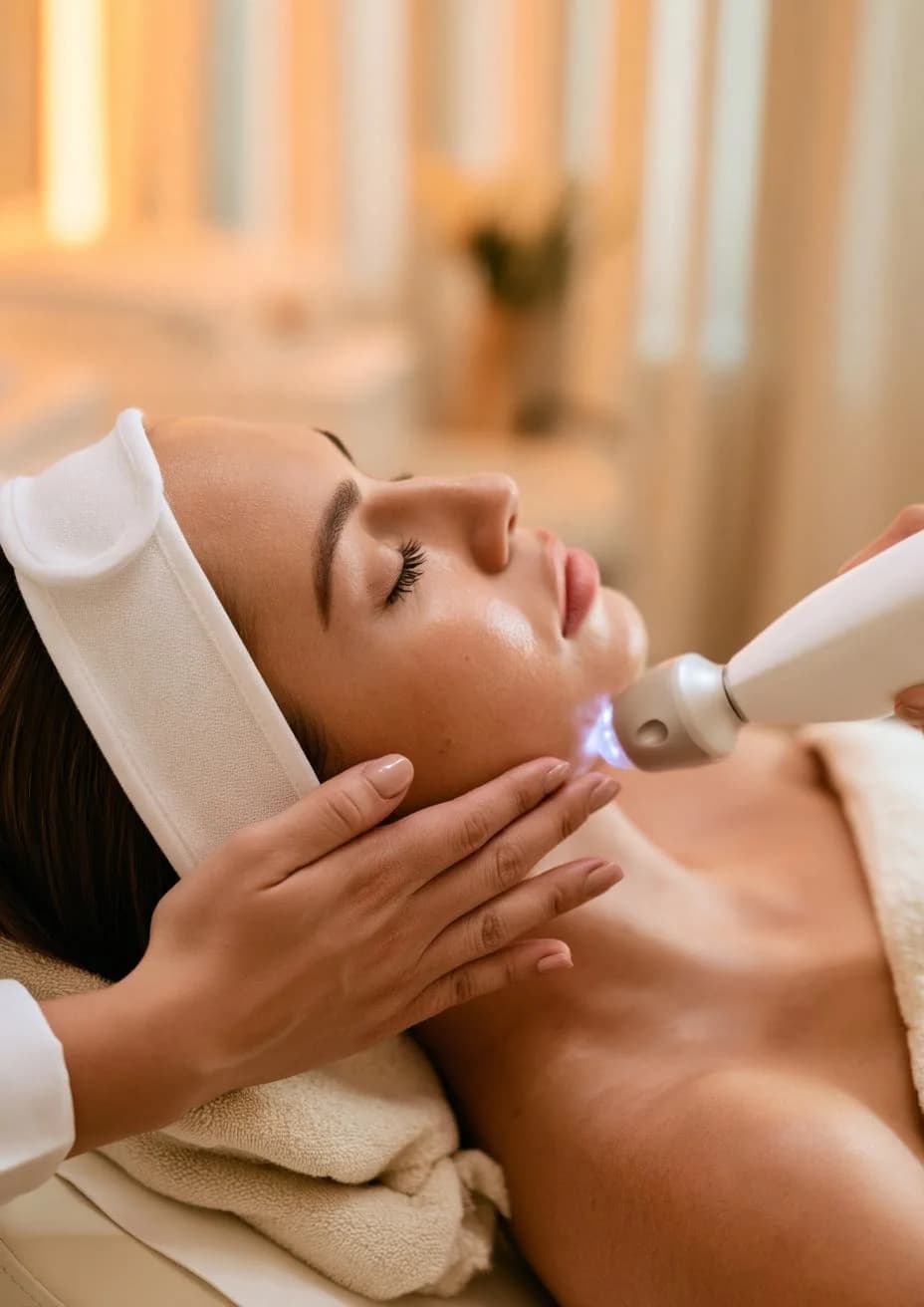
- Ultrasound with real-time imaging
- Discuss pain-control options
- Suitability depends on your anatomy
- Temporary reactions can occur
Board-certified specialists
Korean dermatologists & plastic surgeons
Clear treatment plans
Know what’s included before you book
English support
Interpretation arranged when needed
A lower brow, a softer contour under the chin, or looser neck skin can lead you to explore non-surgical lifting.
Changes in collagen and the tissues supporting your skin can soften facial contours. Skincare supports skin condition, but it cannot reposition deeper tissue like a procedure.
A softer contour is not always caused by laxity. Facial fat, bone structure, and volume loss also affect your appearance — and call for different approaches.
Mild lifting is your goal
If mild to moderate laxity affects your brow, under-chin area, or neck, ultrasound lifting may be worth discussing. Discuss ultrasound lifting.
Your face looks hollow
Ultherapy does not replace lost fullness. Your plan should account for existing facial fat and the risk of unwanted volume changes. Consider volume options.
Sagging is more pronounced
Significant jowling or loose tissue may need a broader discussion. Non-surgical tightening has limits compared with surgery. Discuss the limits.
These changes can overlap. A specialist’s assessment helps match what you see with the right options.
Understand your skin better
Start with a free online AI skin analysis to explore your skin type and put your concerns into words. Bring what you learn to a consultation for a more focused conversation about your goals.
Free AI skin analysisLaxity, volume, and structure are different concerns. Start with an assessment.
Is lift what you’re looking for?
The aim is a modest, gradual lift in suitable areas. Your anatomy and goals shape the plan.
Concerns worth discussing
- A lowered brow or a heavier-looking upper face
- Mild laxity beneath the chin
- Loose-looking skin along the neck
- A preference for a gradual, non-surgical change
Tell your clinician about
- Your medical history, medications, implants, and previous procedures
- Pregnancy, skin problems, or any other health concerns
Why people choose it
- No needles or surgical incisions
- One session is common
- Real-time ultrasound visualization
- Usually minimal downtime; temporary reactions are possible
Good to know
- A subtle change, not the result of a surgical lift
- Deep heat or tingling; discuss comfort measures
The right plan depends on your tissue, treatment area, and goals.
Lift from below, or firm from above?
Start with what you want to improve — firmness, volume, texture, or sagging. Each treatment plays a different role.
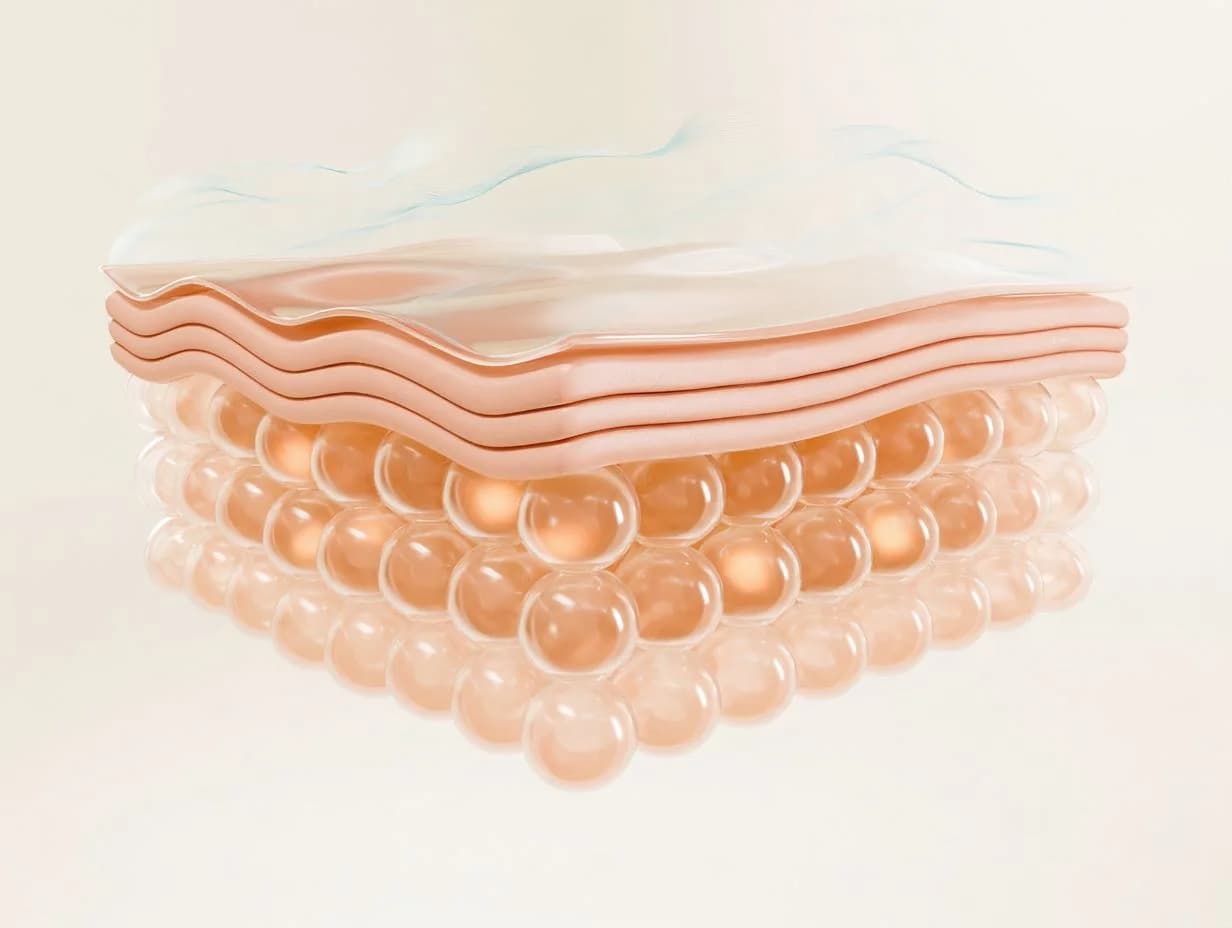
Where does skincare fit? Moisturizers can temporarily make fine lines less noticeable, and consistent skincare supports your skin’s condition. But creams cannot produce the same change as a procedure that treats deeper tissue.
| Option | Often considered for | Approach | Recovery |
|---|---|---|---|
| Ultherapy | Lifting-focused concerns: brow, under-chin, and neck | Microfocused ultrasound with visualization | Usually minimal; tenderness or swelling may occur |
| Thermage | Overall firmness, mild laxity, and fine lines | Monopolar radiofrequency; no needles | Usually minimal |
| RF microneedling | Texture, acne scars, fine lines, and laxity | Radiofrequency through needles | Visible redness or recovery may occur |
| Injectables | Volume, skin quality, or expression-related concerns | Product-dependent; needles or cannula | Varies by product and procedure |
Targeted lifting through focused ultrasound.
Ultherapy delivers microfocused ultrasound energy beneath the skin. Real-time visualization helps the clinician see tissue layers while planning energy placement.
Collagen remodeling develops gradually. Ultherapy may offer a modest lift, but it does not restore volume or replace surgery.
What makes the treatment personal?
See tissue layers
Real-time ultrasound imaging helps the clinician assess tissue before delivering energy.
Plan for your anatomy
Treatment areas and depths are chosen around your tissue, goals, and assessment.
Build change gradually
Lifting and tightening develop as collagen remodels. Individual response varies.
The best treatment is the one that matches your concern.
A lifted look, no incisions.
The aim is a gradual, typically subtle lift in appropriate areas. The degree of improvement depends on your starting point and individual response.

A subtly lifted brow
Some people see a modest brow lift, making the upper face look a little more open.
A firmer under-chin area
Mild laxity beneath the chin may improve, helping the profile look a little more defined.
Tighter-looking neck skin
Neck skin may look tighter over time. Ask what improvement is realistic for you.
Expect a modest, gradual change. Ultherapy cannot replace lost volume or correct extensive sagging.
A lift that takes its time.
Immediately after
The final result is not immediate. Temporary redness, swelling, or tenderness may occur.
Around 2–3 months
Visible lifting often develops gradually. Further improvement may continue up to 6 months.
A year or more
Results may last a year or longer for some people. Aging continues; further treatment follows reassessment.
See your contours in 3D.
At equipped partner clinics, 3D AI skin analysis records detailed images and measurements. Your specialist combines these with an in-person assessment. This is separate from the free online skin analysis.
Standardized 3D capture
Repeat imaging under similar angles, lighting, and distance for useful comparisons.
AI skin measurements
Detailed images and measurements of your current skin condition.
A baseline for your follow-up
Compare your skin at your next visit under similar imaging conditions.
An Ultherapy visit, start to finish
Allow time for the full appointment as well as the treatment itself. Share your travel dates and any other procedures you are planning.

Before treatment · Consultation & planning
Review your skin, goals, and medical history. At clinics offering 3D analysis, review your baseline together. Agree on the plan and quote before proceeding.
30–90 minutes · Treatment
You may feel short, deep pulses of heat or tingling. Discuss pain control beforehand and tell your clinician about significant discomfort.
Same day · Aftercare & next steps
Get recovery guidance, symptoms to watch for, and any recommended review timing. Keep your treatment records and the clinic’s contact details.
What it feels like
- Your clinician plans the areas and depths around your tissue and goals
- Ultrasound imaging helps the clinician see tissue layers
- Short pulses may feel like deep warmth or tingling
- Speak up if you experience significant discomfort
Allow time for your full visit
Assessment · Before treatment
Goals, anatomy, and medical history
Treatment · 30–90 min
Time varies by area and plan
Aftercare · Before you leave
Recovery guidance and review timing
Share your travel dates and other planned procedures. Confirm any review before departure.
Deep energy, light recovery.
Most people resume usual activities promptly. Temporary redness, swelling, tenderness, tingling, bruising, or discomfort can occur.
Post-marketing reports include burns, nerve effects, unevenness, and unwanted fat or volume loss. Some nerve symptoms have lasted months. Discuss these risks in relation to your anatomy.
Leave with clear aftercare guidance
Protect your skin
Ask your clinician about sun exposure and skincare for the areas treated.
Know what to watch for
Ask which symptoms are expected and when to contact the clinic.
Keep a contact plan
Take your treatment records and the clinic’s contact details with you.
What should I share before treatment?
Share your medical history, medications, implants, and previous cosmetic procedures with your clinic. Their medical team will check whether the treatment suits you.
Same device. The mapping makes the difference.

You can compare devices and still be unsure which change a treatment would make for you. That is where a personalized assessment helps: connecting your concern with a realistic plan.
The same device does not mean the same treatment experience. Clinicians differ in training and experience, and your skin condition, facial anatomy, and goals should shape how treatment is planned.
Board-certified specialists in Korea
Lulu@ helps you connect with experienced, Korean board-certified dermatologists and plastic surgeons. Discuss what may be contributing to the changes you notice, compare options, and understand the result each approach could offer.
3D AI skin analysis for personalized planning
At equipped partner clinics, a 3D AI skin analysis device records detailed images and measurements of your current skin condition. Your specialist combines this with an in-person assessment and your goals to develop a personalized plan.
Support to understand your options
Explore clinics with English-language support through Lulu@. Interpretation support can also be arranged when needed, helping you explain your concerns and ask questions with greater confidence.
What matters when choosing a clinic?
Look beyond the device name or the number of treatment lines. Ask who assesses your skin, who performs the procedure, and how the plan accounts for your anatomy.
Understand the proposed areas, realistic change, comfort measures, risks, full cost, and follow-up before deciding.
What to know before getting aesthetic treatments in KoreaWhat to ask before you book Ultherapy.
A few direct questions during consultation tell you a lot about the kind of care you are choosing.
What to check before choosing a clinic
- How experienced is the clinician with Ultherapy?
- Can you confirm the device is genuine?
- Which treatment areas and costs are included?
- Do they tailor the treatment to your face?
- Do they explain side effects and recovery up front?
- Is follow-up consultation available after treatment?
A consultation should leave you with clear answers.
What is contributing to the change? Which options fit your goals? What improvement is realistic? A personalized plan brings those answers together with the treatment area, approach, risks, and cost.
Book a consultationChoose a clinic on Lulu@, then select Book Consultation on its page.
Still curious about Ultherapy?
Is there a right age for Ultherapy?
There is no single right age. Laxity, facial anatomy, medical history, and your goals matter more than age alone. A clinician should assess suitability.
Is Ultherapy painful?
You may feel short, deep pulses of heat or tingling. Comfort varies. Discuss pain-control options before treatment and tell your clinician if you experience significant discomfort.
Do more treatment lines guarantee a better lift?
No. Treatment areas, depths, anatomy, and placement matter. Ask how the proposed plan addresses your goals rather than comparing line counts alone.
Can I combine Ultherapy and Thermage?
Combining treatments may be discussed when they address different parts of your concern. Your specialist should explain the purpose, sequencing, risks, and recovery of the proposed combination.
Map your face first, then decide.
You do not need to arrive with a treatment decision. Start by understanding your concerns, or talk with a specialist about the changes you would like to see.
Understand your skin better
Use the free online AI skin analysis to explore your skin type and organize what you want to discuss.
Make your next step personal
Discuss your concerns, suitable options, and realistic results with a Korean board-certified specialist.
Choose a clinic on Lulu@, then select Book Consultation on its page.
Keep exploring
More guides to help you plan treatment in Korea.
Thermage in Korea
Explore radiofrequency for overall firmness and mild laxity.
Thermage in KoreaRF microneedling in Korea
When texture and acne scars are part of the concern.
RF microneedling in KoreaGetting aesthetic treatments in Korea
What international patients should know beyond the price.
Getting aesthetic treatments in KoreaManufacturer
Treatment results Safety & instructions for use继续探索
Written by the Lulu@ editorial team. Content preview · Medical review pending. General education, not an individual diagnosis or treatment recommendation. A qualified clinician should assess suitability. Ultherapy® is a trademark of Ulthera, Inc. (Merz Aesthetics).